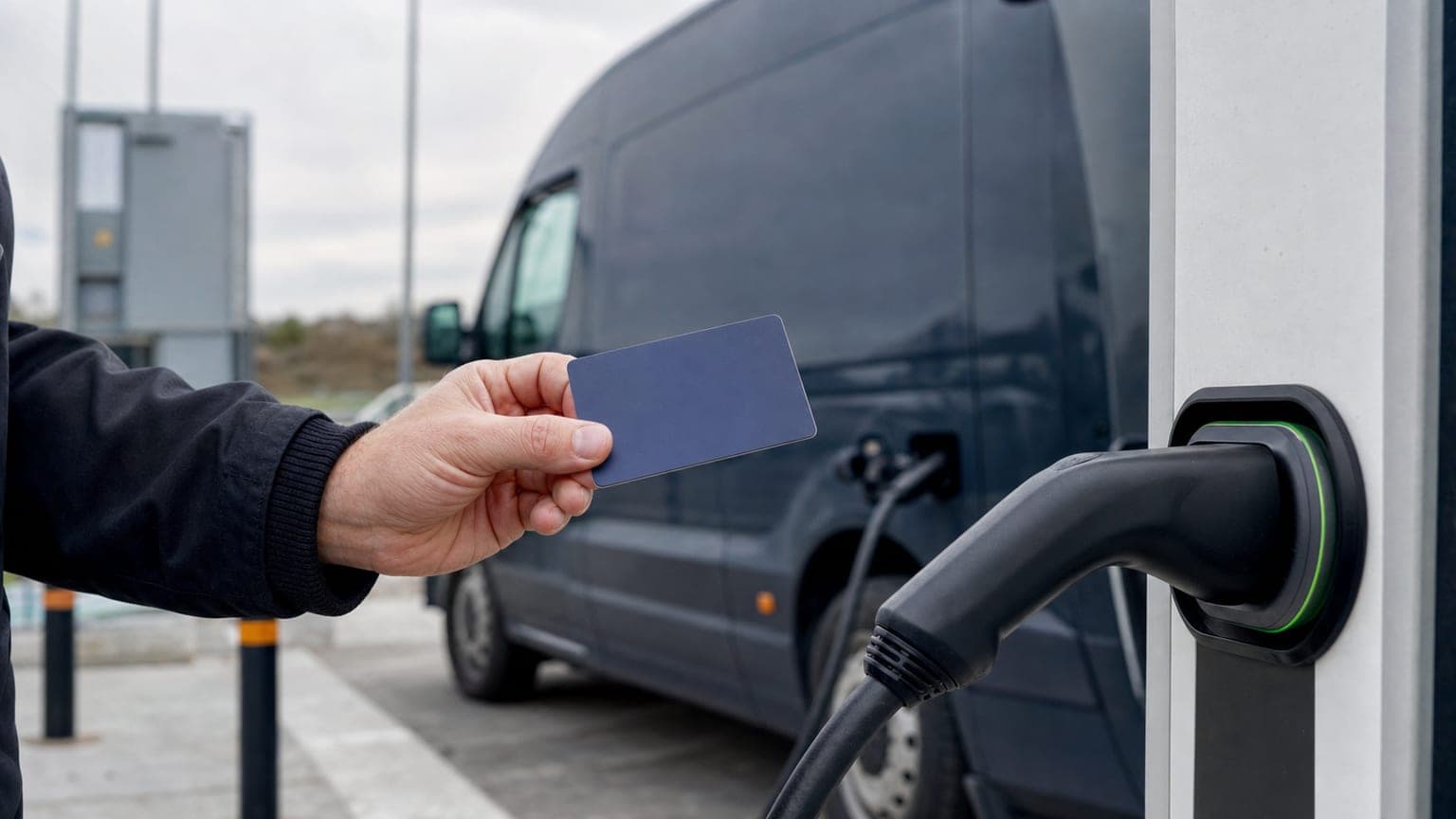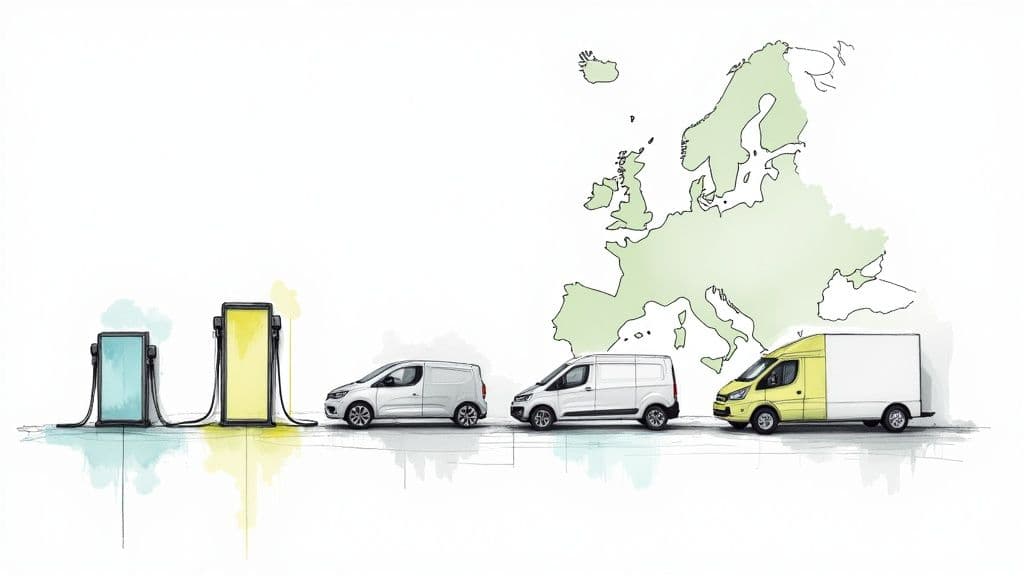
Moving your fleet to electric is a big step, but it doesn't have to be a painful one. For fleet managers across Europe, tightening regulations and the constant pressure to get a handle on rising operational costs are making the switch to fleet EV chargers and electric vehicles a matter of when, not if. This guide is your practical starting point, breaking down the essential first moves.
Making The Switch To Electric Fleets Simple
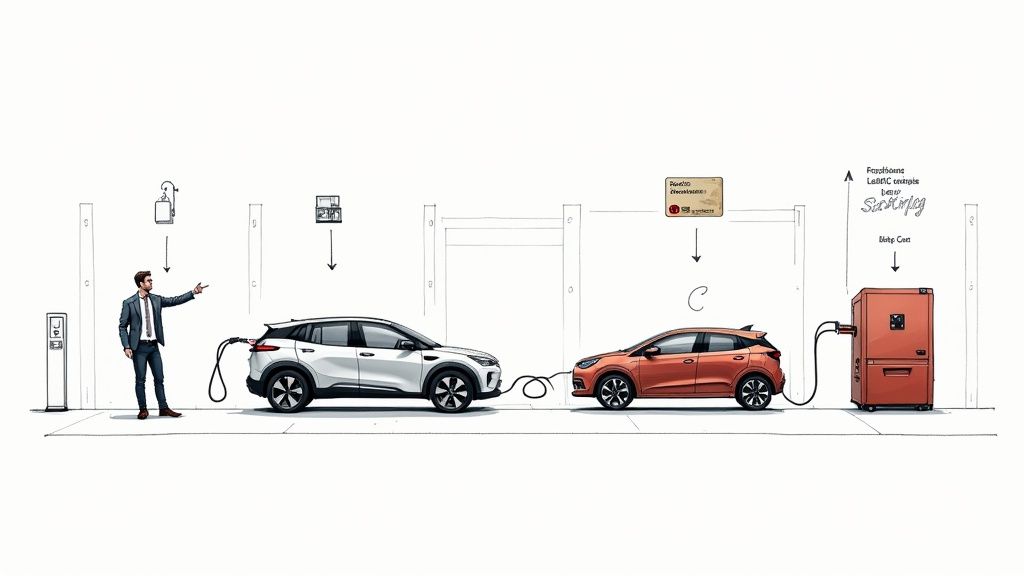
Swapping diesel and petrol for electric brings a whole new set of questions to the table. Fleet managers across Europe are figuring out where and when their vehicles will charge, how drivers will pay for it, and how to manage the paperwork for this new type of "fuel." The headache gets bigger with mixed fleets, where you're suddenly juggling traditional fuel receipts alongside a flurry of EV charging invoices from different countries and providers.
Let's be clear: the biggest hurdle isn't just buying the vehicles. It’s building a charging ecosystem that’s both efficient and cost-effective. One of the key problems fleets face is the fragmented payment landscape across Europe, forcing them to juggle multiple apps, cards, and subscriptions just to access different charging networks. This administrative chaos is a major barrier to a smooth transition.
Key Decisions For European Fleet Managers
A smooth transition hinges on a clear strategy. Right from the start, European fleets have to think about cross-border payments, fluctuating electricity prices, and the often-patchy public charging network.
A few questions immediately come to mind:
- Where to Charge? Will your fleet primarily power up at a central depot overnight, or will drivers need to use public stations during their routes?
- How to Pay? How will drivers cover public charging, fuel for any remaining hybrid vehicles, tolls, and parking without falling back on personal cards and creating a mountain of expense claims?
- Who Handles the Admin? How do you stop your finance team from drowning in a sea of invoices from dozens of charging providers, fuel stations, and toll operators across different countries?
These questions shine a light on the biggest pain point of all: the sheer administrative chaos of managing all these different expenses. This is where having a single, unified payment solution isn't just a nice-to-have; it's essential.
Consolidating Expenses For A Smoother Transition
Imagine simplifying this entire mess with a single, VISA-backed payment card that handles everything. This is the modern approach. It pulls all your fleet expenses—EV charging, traditional fuel, tolls, parking, and even office supplies—into one streamlined system. Rally combines 99% acceptance across Europe with transparent fees. Its prepaid option requires no refundable security deposit or personal credit check, but business and representative verification still applies; postpaid terms require separate approval and may involve credit or security requirements.
By bringing all payments under one roof, fleets can cut over 10 hours in manual work per month. No more chasing invoices or processing expense claims. Everything is captured in one place and flows directly into your accounting software.
This isn't just about making life easier; it's about gaining real control and boosting efficiency. It turns a potentially chaotic and expensive transition into a smart, manageable upgrade for your business.
From directors to drivers, everyone can use the system, which consolidates many tools into one, cheaper platform. Better still, it can all be managed via WhatsApp, eliminating the need to download yet another app. It's the simplest way to take control of every business expense.
Choosing The Right Fleet EV Charger Hardware
Getting your hardware choice right is the bedrock of an efficient electric fleet. This decision hits you where it counts, directly influencing everything from vehicle uptime to your monthly electricity bill. To nail this, you first need to get your head around the two fundamental types of fleet EV chargers: Alternating Current (AC) and Direct Current (DC).
Think of it this way: AC charging is like filling a swimming pool with a garden hose. It’s steady, reliable, and perfect when you’ve got hours to spare, like overnight. DC charging, on the other hand, is like calling in the fire brigade with a high-pressure hose—it gets the job done incredibly fast.
Why the difference? Your EV’s battery can only store DC power. When you plug into an AC charger, the vehicle’s own onboard converter has to do the work of changing the AC grid power into DC. A DC charger has a massive converter built-in, letting it bypass the vehicle’s slower system and pump power straight into the battery.
Matching Power Ratings To Your Fleet’s Needs
Once you understand the AC vs DC distinction, you can pick the right power level for your vehicles and their daily duties. This is measured in kilowatts (kW), and mismatching the charger to the job is a common—and very costly—mistake.
For most depot charging, a 7kW or 22kW AC charger is your workhorse. These units are the perfect fit for last-mile delivery vans that come back to base each night and can be left to charge for several hours. They’re far cheaper to install and place less strain on your site’s electrical supply, making them the smartest, most cost-effective option for fleets with predictable downtime.
At the other end of the scale, you have DC fast chargers, which pack a serious punch from 50kW to over 150kW. These are the "fire hoses" you bring in for vehicles that simply can’t afford to be idle—think long-haul electric lorries or taxis that need a rapid top-up between fares. While they’re a lifeline for certain operations, their eye-watering cost and heavy power demands mean you need to be very strategic about where you place them.
The smartest play is usually a mixed-hardware strategy. Use affordable AC chargers for the bulk of your fleet's overnight needs, and keep a few powerful DC units in reserve for those essential quick turnarounds. This gives you the perfect balance between cost and operational readiness.
European Standards And Future-Proofing
Luckily, in the European market, standardisation makes life a bit easier. The Type 2 connector is the universal standard for AC charging, while the Combined Charging System (CCS) is the go-to for DC fast charging. Sticking to hardware with these connectors means you’ll have compatibility with almost any EV you might add to your fleet down the line.
And while depot charging is your backbone, your drivers will inevitably have to use public networks. The UK’s public infrastructure is growing fast; as of January 2025, there were 73,334 public chargers, a whopping 37% increase from the previous year. But even with this growth, navigating the patchwork of payment methods and unpredictable costs is still a headache for fleet managers.
It’s also worth looking ahead. As you plan your infrastructure, exploring options like solar electric car chargers could be a great way to integrate renewable energy directly into your operations.
Ultimately, nothing beats having an informed conversation with your suppliers. If you go in armed with a clear understanding of your vehicle types, typical routes, and daily rhythm, you can select the right fleet EV chargers that not only work for you today but are ready for whatever tomorrow brings.
The Hidden Costs of Electrification (And How to Beat Them)
Right, so you’ve got the hardware sorted. That’s a massive first step. But as any European fleet manager will tell you, the journey to a fully electric fleet quickly moves from the garage to the back office. The real work begins when you have to completely rethink how you handle costs, paperwork, and day-to-day operations.
The first wall most fleets hit is the sheer upfront cost of the charging infrastructure. It's not just the fleet EV chargers themselves; it's the potential for grid upgrades that can sneak up on you, adding massive, unexpected bills. For many small and medium-sized businesses, this financial shock can stop an electrification project dead in its tracks.
But even if you clear that hurdle, you're immediately dropped into a new kind of chaos. Almost every fleet is running a mixed setup right now: some EVs, some petrol, some diesel. And that means your finance team is suddenly drowning in paperwork from a dozen different vendors. Public charging networks, local fuel stations, toll operators, parking companies—each with its own invoice, its own payment method, and its own headache. This isn't just inefficient; it's actively costing you money.
Taming the Administrative Chaos
The core problem isn’t just managing different fuel types; it’s the explosion of fragmented expenses. One driver might be juggling a fuel card, a separate charging app or RFID card for their EV, and a credit card for tolls and parking. The system is fundamentally broken. It puts the burden on your drivers and leaves your managers trying to piece together a blizzard of receipts and invoices at the end of the month.
This mess creates a few critical problems you can't ignore:
- Zero Oversight: Good luck getting a clear, real-time picture of your total fleet spend when it’s scattered across five different systems. It's nearly impossible.
- Administrative Drain: Your finance team is probably wasting over 10 hours per month just processing expense reports, matching payments, and chasing down bits of paper.
- Driver Frustration: Complicated expense rules and forcing drivers to pay out-of-pocket creates needless friction. You want them focused on the job, not on being accountants.
This administrative drag is one of the biggest hidden costs of going electric, but the good news is, it’s completely fixable.
The All-in-One Solution for Modern Fleets
Now, imagine sweeping that entire messy system off the table and replacing it with one simple, powerful tool. A modern payment solution does exactly that, consolidating every single business expense onto one VISA-backed card. With 99% acceptance, it just works, no matter which European country you’re in or what your business needs to pay for.
This isn't just another fuel card. It’s a unified platform for every transaction—from EV charging and fuel to tolls, parking, and even daily office supplies. It makes managing fleet spend ridiculously simple and transparent for everyone, from the driver to the director.
The benefits include clearer budgeting and simpler driver workflows. Rally's prepaid option requires no refundable security deposit or personal credit check, but business and representative verification still applies. Postpaid terms require separate approval and may involve credit or security requirements. Drivers can handle receipt workflows through WhatsApp, with transactions and receipts captured in one place for accounting.
By switching to a single, cross-border payment system, you’re not just making your EV transition smoother; you're upgrading your entire business model. You get rid of the administrative dead weight holding you back, freeing up time and money to focus on what actually matters: growing your business. It's the smartest way to get over the hurdles of electrification and build a fleet that’s truly ready for the future.
Using Smart Charging to Control Your Costs
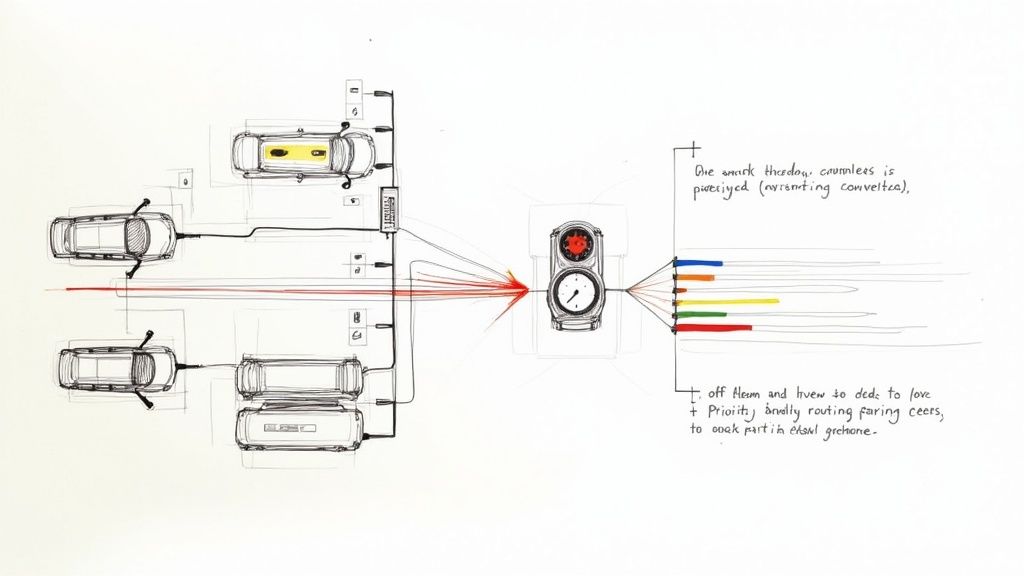
Just plugging in every vehicle as it returns to the depot is the fastest way to get a shockingly high electricity bill. The real brains behind an efficient EV depot operation isn't the charger itself, but the software that controls it. This is smart charging, and it's the key to slashing your energy costs and sidestepping major infrastructure headaches.
At its most basic, smart charging is all about timing. Instead of letting vehicles draw power during peak daytime hours when electricity is most expensive, the system automatically waits for cheaper off-peak tariffs overnight. This simple shift can make a huge dent in your operational energy spend, all without anyone lifting a finger.
But the real power of smart charging comes from its ability to manage your depot's entire electrical load. This is where dynamic load management becomes a genuine game-changer for European fleets.
Avoiding Expensive Grid Upgrades
Think of dynamic load management as an air traffic controller for your depot's power supply. When a dozen vehicles are plugged in at once, the system intelligently distributes the available electricity, preventing a sudden power surge that could trip the breakers or, worse, overload your local grid connection.
This is a critical function. One of the biggest hidden costs of going electric is the potential need for a grid infrastructure upgrade—a project that can easily run into tens of thousands of pounds and bring your rollout to a screeching halt for months. Smart charging helps you avoid this massive financial barrier by making the most of the power you already have.
Smart charging software doesn't just manage power; it manages your operations. By integrating with your fleet's schedule, it can prioritise charging for vehicles with the earliest departures, ensuring they are always fully charged and ready to go.
This intelligent prioritisation means you can often run a much larger electric fleet on your existing grid connection. You completely sidestep one of the most common and costly hurdles in the transition to electric. For fleets looking to take this even further, exploring microgrid control systems can offer deeper insights into total energy optimisation.
Integrating Charging with Fleet Operations
Smart charging is most powerful when it’s deeply connected with the rest of your daily operations. This is where a unified platform becomes essential, bridging the gap between your energy management and your expense control. When your payment solution and charging software are talking to each other, you get a complete, unambiguous picture of your energy usage and costs.
This integration cuts through one of the most complex parts of running an EV fleet. Instead of trying to piece together data from charging providers and separate expense tools, you get a single, consolidated view. You can see exactly how much energy each vehicle consumed, precisely what it cost, and how that feeds into your total cost of ownership.
The growing public charging network is also a key part of this picture. By May 2025, the UK's infrastructure had ballooned to 80,998 public charging devices, with over 7.6 million public top-ups in the first quarter of the year alone. With the right system, you can manage both private depot charging and public charging sessions seamlessly.
A truly modern solution combines smart charging insights with payment data, offering tools like smarter fuel card management for European fleets that work for EVs, hybrids, and traditional vehicles. This consolidation means everything—from depot charging schedules and energy costs to driver expenses for fuel, tolls, and parking—is managed in one place. It eliminates manual admin and gives you the clear, actionable data you need to make better decisions for your entire operation.
Calculating the True Cost of Your EV Fleet
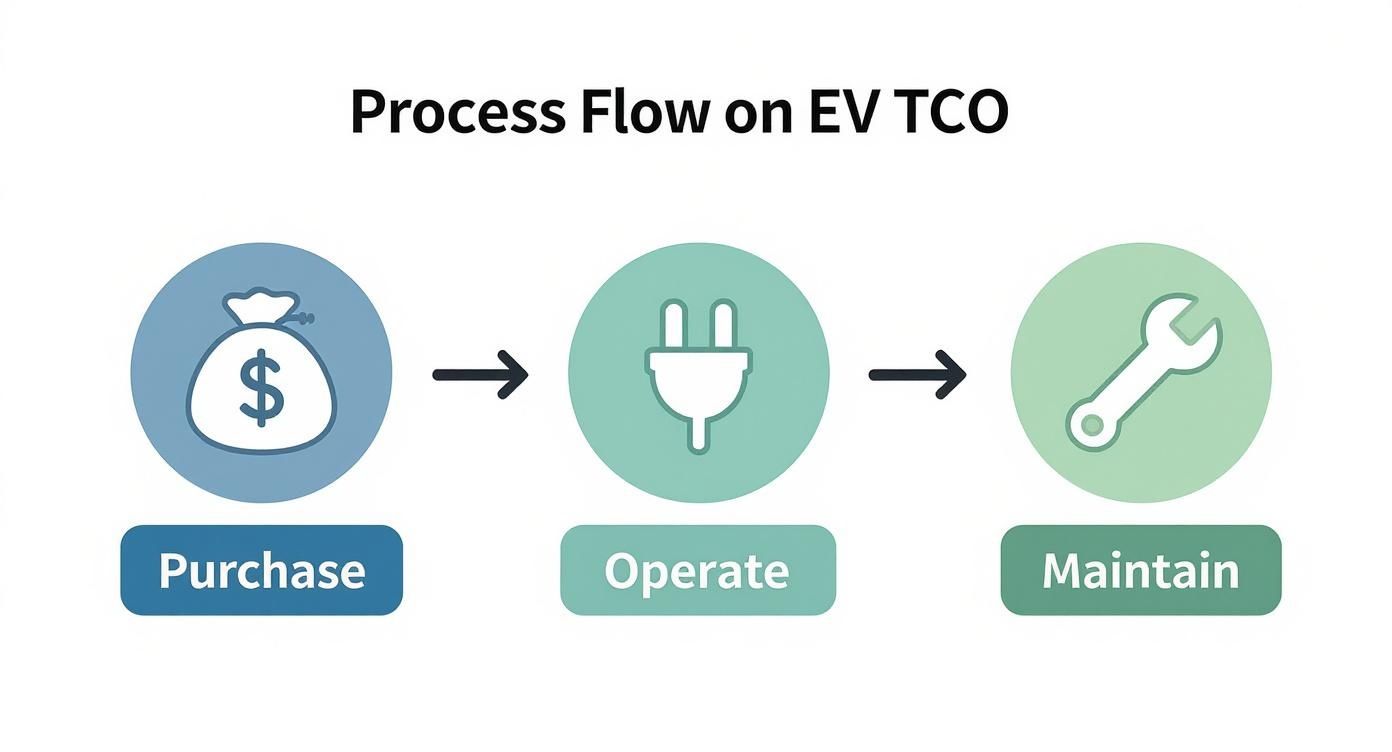
When you’re making the switch to electric, the sticker price of a new van is just the opening chapter of the financial story. To really get a grip on the investment and prove its worth, fleet managers across Europe need to look past the initial purchase and calculate the Total Cost of Ownership (TCO). This is where the real numbers come out to play, revealing the long-term value of your fleet EV chargers and vehicles.
Figuring out the TCO for an EV is a completely different ball game compared to a traditional diesel or petrol vehicle. You're trading predictable fuel station receipts and service bills for new variables like fluctuating electricity tariffs, charger hardware costs, potential grid upgrades, and a patchwork of government grants. Nailing this calculation is the key to building a rock-solid business case for going electric.
A proper TCO analysis has to juggle several moving parts. It’s all about balancing the upfront cash outlay against the operational savings you'll rack up over time.
- Acquisition Costs: This is the vehicle’s purchase price, minus any government grants or incentives you can get your hands on.
- Infrastructure Costs: The bill for installing depot chargers, the software to run them, and any electrical work needed to support the new load.
- Energy Costs: This covers everything from cheap overnight electricity at your depot to the pricier top-ups your drivers will need from public chargers.
- Maintenance Savings: Here’s the good news. EVs have far fewer moving parts than combustion engines, which means significantly smaller maintenance and repair bills over the vehicle's life.
The Power of an Integrated Financial View
Trying to calculate TCO with bits of data scattered everywhere is a recipe for a headache. When your charging costs, fuel for the remaining diesel vehicles, tolls, and maintenance bills are all on different payment systems and invoices, getting an accurate picture is next to impossible. It’s a common trap that creates a mountain of admin and a fog of financial uncertainty.
An integrated expense management system cuts right through that mess by pulling every single transaction into one place. With a single VISA-backed card that covers all your business expenses, you get transparent, real-time data on every pound spent. This lets you track the exact operational cost of each vehicle—electric or not—and compare their TCO with genuine accuracy.
By pulling all your spend data together, you can cut over 10 hours in manual work per month. More importantly, you get the sharp financial clarity you need to prove the ROI of your EV investment to the people holding the purse strings. No more chasing invoices or guessing at costs—it's all right there on one dashboard.
Balancing Depot and Public Charging Costs
A smart financial strategy usually means adopting a hybrid approach to charging. Relying on low-cost, off-peak electricity at your own depot for the bulk of your fleet’s needs is the best way to keep energy spending under control. But let's be realistic—your vehicles will inevitably need a top-up while they're out on the road.
This is where the rapidly growing public network saves the day. The UK's electric vehicle charging market, valued at a cool USD 1,040.3 million in 2024, is set to skyrocket to USD 3,789.3 million by 2030. It's the fast chargers that are really driving this boom, capturing over 80% of the market revenue. You can dig into the details of this market growth on Geotab.com.
Having a flexible, cross-border payment solution with 99% acceptance helps drivers use the network across Europe. Rally uses transparent fees, and its prepaid option requires no refundable security deposit or personal credit check, but business and representative verification still applies. Postpaid terms require separate approval and may involve credit or security requirements.
Your Step-by-Step EV Charger Rollout Plan
Getting your fleet EV chargers installed and running smoothly isn't a one-off task—it's a full-blown project that needs careful management. A clear, phased approach is the only way to turn this complex job into an actionable roadmap, helping you sidestep costly mistakes and make sure your new infrastructure is ready for action from day one.
The journey starts with a deep dive into your own fleet. You need to know exactly how your vehicles operate day-to-day. This means analysing routes, crunching the numbers on average daily mileage, and tracking the typical dwell times back at your depot. This data is the bedrock for figuring out what kind of chargers you need, and just as importantly, how many.
Once you’ve got a handle on your operational needs, the next move is a detailed site assessment. This isn’t just about finding a bit of empty space for the hardware. It’s a serious look at your electrical capacity. You need an expert to determine if your current grid connection can handle the extra load, or if a potentially expensive upgrade is on the cards.
Navigating Approvals and Avoiding Pitfalls
Let me be clear: engaging with your local utility company early is non-negotiable. They are a critical partner in this process, and bringing them in late is a classic rookie error that can cause massive delays. They’ll give you the essential info on grid capacity and a realistic timeline for any upgrades.
At the same time, you need to start navigating the maze of local planning permissions, which can vary wildly from one European municipality to another. Underestimating the sheer volume of paperwork and the length of approval timelines is a common pitfall that can bring a project to a grinding halt for months.
Another critical mistake is failing to plan for the future. Your charger rollout has to account for how you expect your fleet to grow over the next five to ten years. Installing the bare minimum today will only lock you into a more expensive and disruptive upgrade down the road.
This visual really drives home the point that while the upfront purchase price is a big deal, it's the long-term operational and maintenance costs where EVs really start to create serious financial value.
Streamlining Ongoing Operations After Rollout
Once your chargers are up and running, your focus shifts to managing them effectively. This is where a consolidated payment and management platform becomes absolutely indispensable. Instead of juggling multiple tools and systems, you have a single source of truth for every expense. It turns what could be a massive administrative headache into a simple, efficient process.
With a single VISA-backed card that has 99% acceptance and transparent fees, drivers can pay for public charging, tolls, parking, or even maintenance without ever needing to file an expense report. It cuts over 10 hours of manual work per month by eliminating invoice chasing.
This modern approach empowers everyone in your organisation, from the directors right down to the drivers. All expenses can be managed via WhatsApp, with receipts automatically captured and fed directly into your accounting software. It removes all the usual friction and gives you a crystal-clear, real-time view of all your fleet-related spending.
As you can see from a recent customer spotlight on how Autohero saved big with a fleet spend platform, pulling all your expenses together offers huge financial and operational benefits. It turns a complicated transition into a streamlined upgrade for your entire business.
Got Questions? We’ve Got Answers.
Switching a fleet to electric always brings up a few queries. It’s a big move, after all. Here are some straightforward answers to the questions we hear most often from fleet managers across Europe.
How Do I Handle Driver Expenses for Public Charging?
The last thing you want is your drivers paying out-of-pocket and creating a mountain of expense reports. The cleanest solution is a single, integrated payment card. Think one VISA-backed card that covers everything—public EV top-ups, petrol for the remaining diesel vans, tolls, and even parking.
This approach scraps the whole reimbursement headache. All transactions flow into one system, giving you a crystal-clear financial overview without the admin slog.
A unified system like this brings a few key perks:
- Prepaid Without a Refundable Security Deposit: Business and representative verification still applies, and no personal credit check is required. Postpaid terms require separate approval and may involve credit or security requirements.
- 99% Acceptance: Drivers can pay with confidence pretty much anywhere in Europe.
- Cross-Border Ready: Expenses are handled smoothly, no matter which country your drivers are in.
- One Simple Invoice: Stop chasing receipts. Everything is consolidated in one place.
Honestly, it’s a game-changer. We've seen it cut down manual admin work by over 10 hours a month, freeing up your team to focus on running the fleet, not shuffling paperwork.
What's the Biggest Hidden Cost When Installing EV Chargers?
It’s almost always the grid connection. You might budget for the chargers themselves, but if your depot's existing electrical setup can't handle the extra load from multiple fleet EV chargers, you could be looking at a hefty bill for an infrastructure upgrade. It’s the kind of surprise no one likes.
This is exactly why a proper site assessment is non-negotiable before you do anything else.
This is where smart charging and dynamic load management become your best friends. This tech lets you squeeze the most out of your current power supply, often sidestepping a costly grid upgrade entirely while still making sure every vehicle is charged and ready to roll by morning.
Do I Really Need Yet Another App to Manage EV Charging?
Absolutely not. In fact, you should run from any solution that adds another app to the pile. The best modern platforms pull all your expense management into one place, making separate apps totally redundant.
Instead of forcing your team to learn new, clunky software, these systems often work through tools your drivers already use every day, like WhatsApp.
It just makes life simpler for everyone, from the driver on the road to the director in the office. You avoid bolting on another expensive expense tool and instead get all your fleet costs funnelled into one cheaper, more efficient system.
Ready to stop juggling different systems for your fleet's expenses? Rally brings everything—EV charging, fuel, tolls, and parking—onto a single platform with one VISA-backed card. Find out how Rally can save you time and money today.