The transition to electric vehicles in Europe presents a significant opportunity for fleets, but it also introduces complex new operational challenges. Fleet managers are often left juggling multiple charging apps, chasing drivers for fragmented expense reports, and reconciling a flood of invoices from dozens of different charging networks. This administrative chaos is not just inefficient; it's costly, with finance teams losing over 10 hours per month on manual work alone. A modern electric vehicle charge card is no longer just a simple payment method; it has evolved into a strategic asset for controlling costs and streamlining operations across any country.
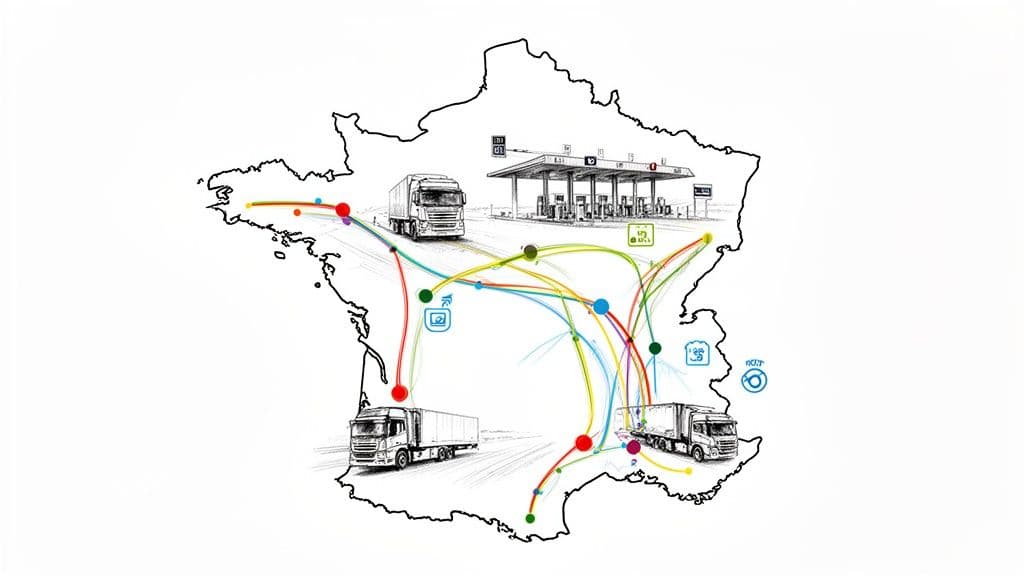
This guide moves beyond generic feature lists to provide a detailed breakdown of the 12 best electric vehicle charge card solutions for European fleets in 2026. We will analyse how the right platform can consolidate all your fleet's expenses—from charging and tolls to fuel, parking, and even daily business supplies—into a single, transparent invoice. We'll explore solutions that offer near-universal acceptance across Europe, eliminating the need for drivers to carry multiple cards or download endless apps. By simplifying the payment process, these tools remove the administrative burden of chasing individual invoices.
To truly revolutionise payment management, understanding and implementing essential accounts payable best practices is crucial for handling the complex financial flows of an EV fleet. Throughout this article, we will examine each provider with direct links and screenshots, helping you identify the best fit to transform your chaotic receipt management into a streamlined, data-driven system. We'll cover everything from implementation and accounting integrations to achieving a clear return on investment.
1. Rally
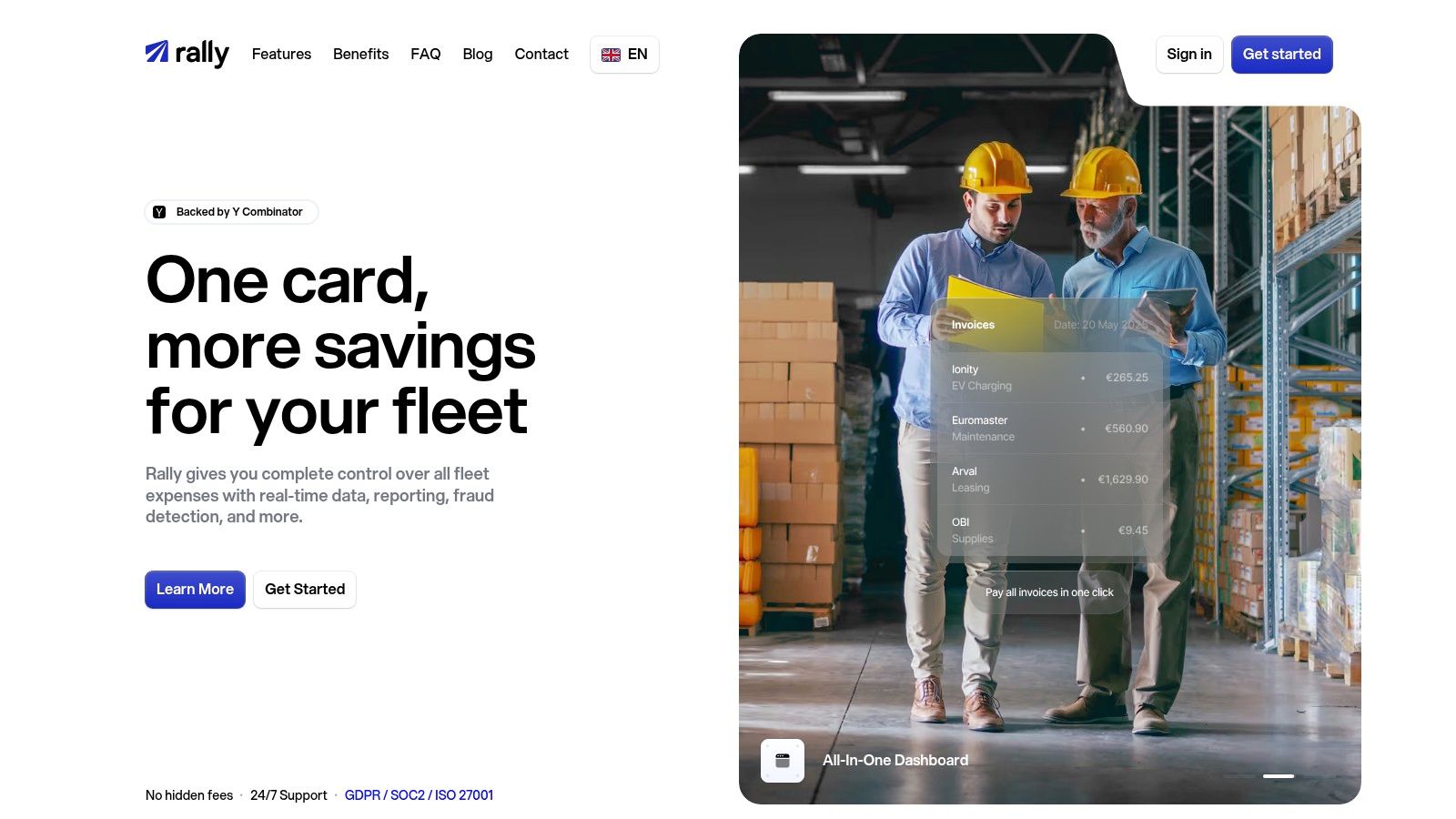
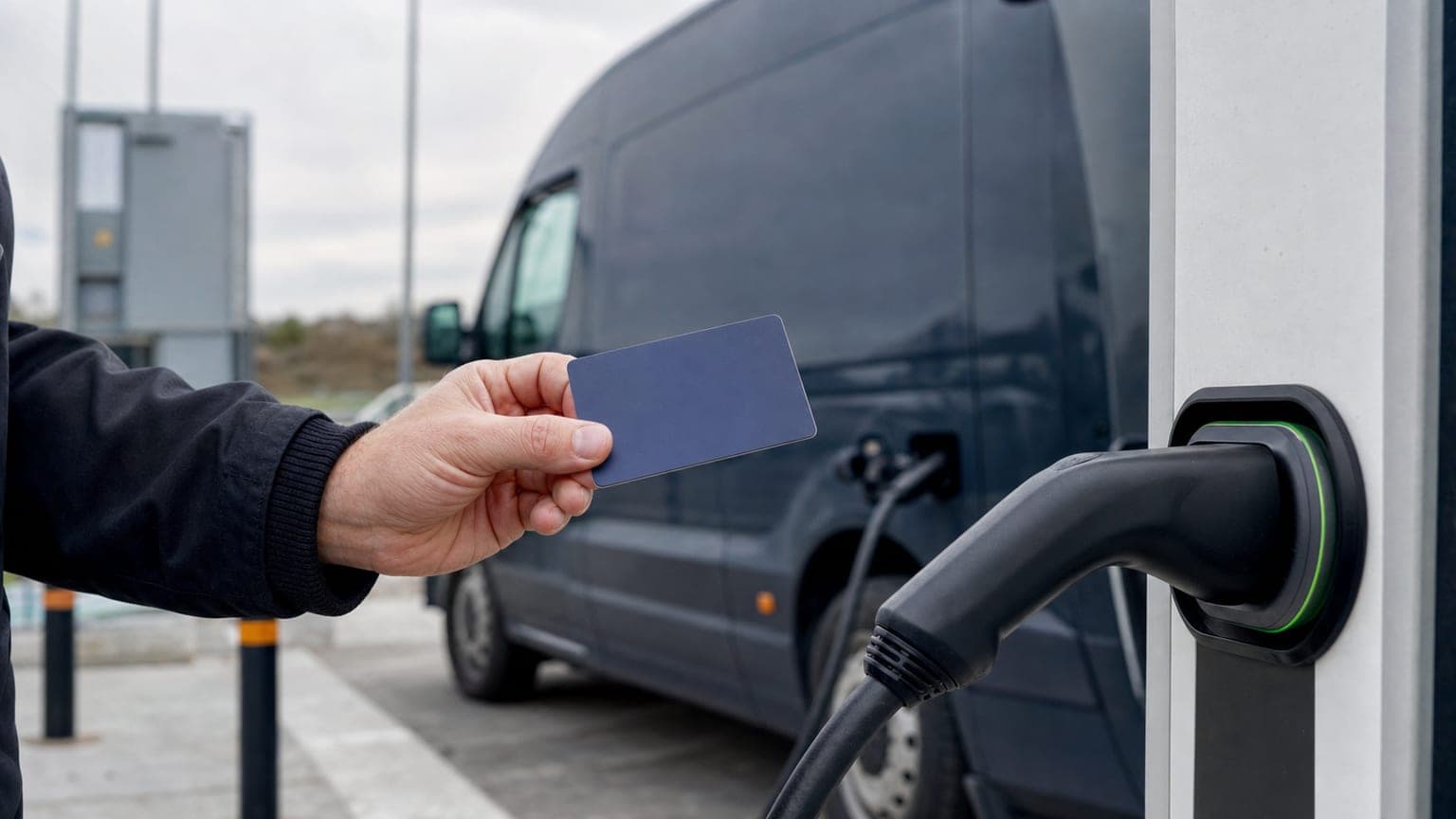
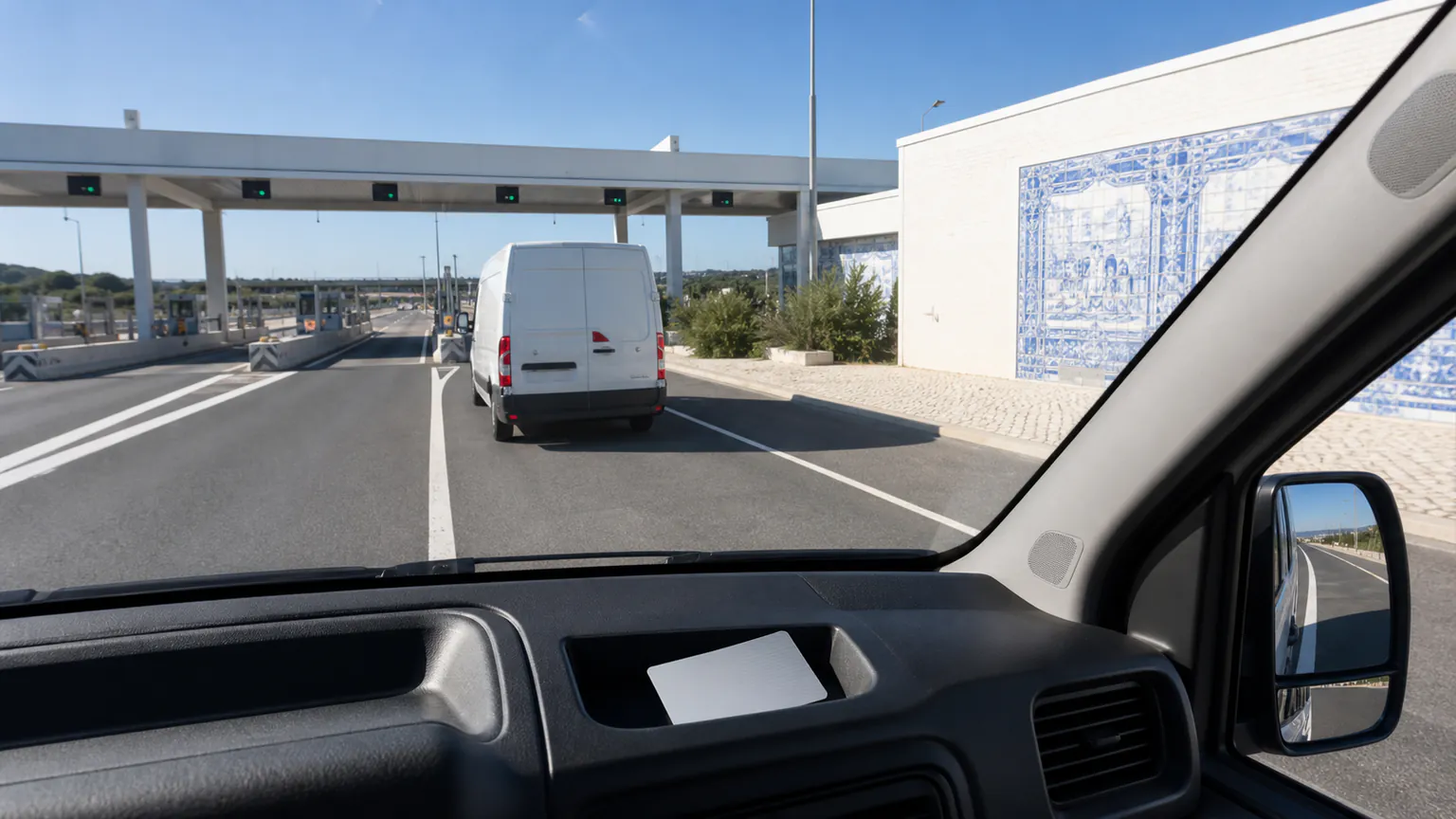
Rally stands out as a powerful, all-in-one solution for European businesses managing vehicle fleets at scale. It moves beyond a conventional electric vehicle charge card by consolidating many tools into one cheaper, integrated expense management platform. As a VISA partner, Rally provides one universal card for all business expenses, including EV charging, fuel at low-cost stations, tolls, parking, and even office supplies, eliminating the need for drivers to carry multiple cards. This unified approach simplifies payments across Europe with 99% acceptance, removing the complexity of cross-border transactions and ensuring you get the lowest prices.

For fleet managers and finance teams, the platform is designed to dramatically reduce administrative workload, saving an average of over 10 hours of manual work per employee each month. Its AI-powered features automate receipt capture directly via WhatsApp—no app download required—and seamlessly integrates with accounting software. From directors to drivers, everyone can use the system, which puts an end to chasing invoices and manual reconciliation.
Key Features and Use Cases
- Universal Acceptance: The VISA-backed card works seamlessly for any business expense. A driver can pay for EV charging, fuel, tolls, parking, or any other day-to-day business cost with a single card.
- Granular Controls and Security: Managers can set specific spending limits per driver or vehicle, restrict purchase categories, and define time windows for transactions. Real-time alerts and AI-driven fraud detection flag suspicious activity instantly.
- Automated Expense Management: Rally consolidates expense management tools into one cheaper platform. Drivers submit receipts via WhatsApp, and AI automatically matches them to transactions, eliminating the tedious process of chasing invoices.
- Direct Accounting Integration: The platform connects directly with major accounting systems, ensuring financial data flows seamlessly and creating a single source of truth for the entire fleet.
- Cross-Border Support: Designed for the European market, it works in any country without hassle, making it ideal for international fleets.
Pricing and Onboarding
Rally operates on a transparent and straightforward pricing model: a flat monthly fee per active driver. There are no hidden or transparent fees on transactions, no markups on non-fuel purchases, and no need for deposits. This model avoids the complex fee structures seen with competitors. Onboarding is swift, with virtual cards issued in seconds and comprehensive 24/7 human support available.
Feature HighlightPractical BenefitUnified VISA CardOne card for all expenses across Europe; 99% acceptance.WhatsApp Receipt CaptureNo app needed; simplifies expense submission for everyone.AI-Powered AutomationCuts over 10 hours in manual work per month.Transparent PricingNo deposits, no hidden fees, just a flat monthly rate.
Pros:
- Universal VISA-backed card accepted for all business expenses, including access to low-cost fuel.
- Saves over 10 hours of manual accounting work per month through WhatsApp and accounting integrations.
- Transparent, flat-fee pricing per active driver with no hidden costs or deposits.
- Excellent cross-border support for European fleets.
Cons:
- Exact per-driver pricing is not publicly listed on the website.
- Some advanced payroll and invoicing automation features are on the product roadmap.
2. Octopus Electroverse
Octopus Electroverse offers a compelling roaming solution for UK-based drivers and smaller fleets, simplifying access to a vast network of charging points across the UK and Europe. It operates on a no-subscription model, providing a free RFID card, the "Electrocard," and a companion app. This setup allows users to start, stop, and pay for charging sessions at over 1,300 different charging networks globally without needing multiple accounts or cards.

The primary appeal for many is its simplicity and integration for existing Octopus Energy home tariff customers, who often receive discounts on public charging rates. The app displays live pricing per kWh for each charger, ensuring transparency before a driver initiates a session. While this platform is excellent for individual drivers or small businesses seeking broad, hassle-free access, it lacks the advanced fleet management tools larger operations require, such as centralised billing, driver spending controls, or integration with accounting systems. A key problem fleets might face is the lack of a consolidated invoice for all expenses, leading to fragmented financial data.
Key Features and Considerations
- Network Access: Extensive roaming across major UK networks like IONITY, Osprey, and Shell Recharge, plus extensive European coverage.
- Pricing Model: Pay-as-you-go with no subscription fees. However, the price per kWh can sometimes be higher than paying the charge point operator directly.
- User Experience: The free electric vehicle charge card and intuitive app make it easy for individual drivers to manage their charging on the go.
- Fleet Suitability: Best suited for sole traders or very small businesses. It does not offer consolidated invoicing or the expense management features necessary for managing multiple drivers and vehicles efficiently.
For a simple, one-card solution primarily for UK and occasional European travel, Electroverse is a strong contender.
Website: https://electroverse.com/en-GB
3. Shell Recharge
Shell Recharge offers a well-integrated solution for drivers needing reliable access to a large public charging network. The service provides both a physical RFID charge card and a digital card through the Shell app, allowing users to start and stop charging sessions across Shell's own network and its extensive European roaming partners. This dual-card approach is particularly convenient, as it grants immediate access via the digital card while the physical card is in the post.

The platform is designed for simplicity, with both card ordering and activation managed directly within the app. While it provides a straightforward pay-as-you-go experience for individual drivers and small businesses, it lacks the sophisticated expense management tools required by larger commercial fleets. A significant problem for European fleets is that it doesn't offer consolidated invoicing, spending controls, or the ability to handle other business expenses like parking and tolls, which can lead to significant administrative overhead. Companies looking for a more comprehensive financial tool that integrates with accounting systems might explore more specialised fleet management solutions. Learn more about the challenges of managing fleet EV chargers.
Key Features and Considerations
- Network Access: Strong coverage at Shell forecourts and access to a vast network of roaming partners across the UK and Europe.
- Pricing Model: Typically a pay-as-you-go model with transparent pricing displayed in the app. Transaction fees may apply.
- User Experience: The in-app electric vehicle charge card management is a key strength, providing immediate access and a simple tap-to-charge workflow. Support is readily available through an in-app knowledge base.
- Fleet Suitability: Ideal for individual drivers or small fleets that prioritise network access over advanced financial controls. It does not consolidate all driver expenses or automate accounting reconciliation, making it less suitable for larger, more complex operations.
For drivers wanting a dependable card from a major brand with excellent network coverage, Shell Recharge is a solid choice.
Website: https://www.shellrecharge.com/en-gb
4. bp pulse
bp pulse operates one of the UK's most extensive charging networks, offering a robust solution for individual drivers and commercial fleets. It provides a blend of pay-as-you-go access, contactless payments, and a subscription model that unlocks the lowest charging rates. Subscribers and fleet customers receive a bp pulse electric vehicle charge card, which simplifies the process of starting and stopping a charge at thousands of locations nationwide.
The platform is particularly appealing due to its widespread network, which includes a significant number of rapid and ultra-fast chargers on key routes and motorways. For commercial operations, bp pulse offers dedicated corporate plans that feature centralised billing and individual driver cards, helping to streamline expense management. This direct network access avoids the complexities of roaming partnerships, providing a consistent user experience. The key problem for European fleets, however, is that its strength lies in being a UK network operator rather than a pan-European service, limiting its utility for cross-border operations.
Key Features and Considerations
- Network Access: Extensive, dedicated UK network with a strong presence of rapid and ultra-fast chargers, ideal for en-route top-ups.
- Pricing Model: Flexible options including PAYG, contactless, and a monthly subscription for preferential rates. The lowest prices are reserved for subscribers.
- User Experience: The physical electric vehicle charge card for subscribers and fleet users provides a simple tap-and-charge experience, supported by a user-friendly app.
- Fleet Suitability: Corporate plans provide essential fleet management tools like consolidated invoicing and driver-specific cards. It is an excellent choice for UK-centric fleets requiring reliable, high-speed charging infrastructure.
For businesses and drivers whose operations are concentrated in the UK, bp pulse offers a dependable and streamlined charging solution.
Website: https://www.bppulse.co.uk/
5. Allstar Chargepass
Allstar Chargepass is a dedicated fleet payment solution designed to bridge the gap between traditional fuel cards and the growing need for electric vehicle charging. It offers a single card and consolidated invoicing system for businesses managing mixed fleets or transitioning fully to electric. By providing access to a multi-brand charging network across the UK, it aims to eliminate the administrative headache of managing multiple charging accounts and expense claims.

The system is built for fleet managers, offering centralised controls, HMRC-compliant invoicing, and detailed reporting to monitor driver spending and charging behaviour. While it simplifies payments and administration, its primary focus is on providing a unified payment network rather than being a comprehensive expense management tool. A key problem for fleets is that its scope is limited; it doesn't handle all driver costs—from parking and tolls to ad-hoc business expenses. For companies focused purely on streamlining vehicle refuelling and recharging, Allstar provides a robust, specialised service that can significantly reduce manual reconciliation tasks.
Key Features and Considerations
- Network Access: Provides roaming access to thousands of charge points across major UK networks, including motorway services and rapid charging hubs.
- Pricing Model: Pricing and any associated card fees are typically provided upon application, meaning transparency is not immediate. Costs can vary depending on the reseller and fleet size.
- User Experience: Drivers use a physical electric vehicle charge card for payments. Integration with the Zapmap app allows for charger location and some app-based payments, simplifying the process on the road.
- Fleet Suitability: Excellent for fleets needing a single, HMRC-compliant invoice for both EV charging and optional fuel purchases. Its centralised controls and reporting are ideal for managing multiple drivers, though it is less suited for businesses needing an all-in-one expense card. More information about integrated fleet payment solutions can be found in our guide to company expense cards.
For UK-based fleets requiring a dedicated and controlled vehicle energy payment system, Chargepass is a strong, purpose-built option.
Website: https://allstarcard.co.uk/solutions/ev/allstar-chargepass
6. Paua
Paua is engineered specifically for UK business fleets, offering a comprehensive solution that combines a driver app, a fleet manager dashboard, and a dedicated electric vehicle charge card. It addresses the core fleet challenges of driver management, expense reporting, and fragmented network access by consolidating everything into a single, unified system. The platform provides access to over 70,000 charge point connectors across more than 45 network partners, simplifying public charging for business drivers.

The platform’s primary strength lies in its fleet-centric tools. Fleet managers gain real-time visibility into charging activity, can set spending controls, and receive one consolidated monthly invoice, significantly reducing administrative burdens. Paua’s model is built around a monthly per-card fee, making it ideal for businesses that need robust reporting and control features. It also offers workflows for reimbursing employees for home charging, providing a complete energy management solution. However, a problem for European fleets is its primary focus on the UK market, which may limit its cross-border functionality and support.
Key Features and Considerations
- Network Access: Extensive roaming coverage across the UK, including major providers like Osprey, IONITY, and GRIDSERVE, accessible via a single card and app.
- Pricing Model: Subscription-based, with plans like 'Paua Access' starting from a monthly fee per active card (e.g., £3). This structure is designed for business cost predictability.
- User Experience: The driver app simplifies finding and using chargers, while the fleet dashboard provides powerful tools for monitoring, reporting, and managing expenses centrally.
- Fleet Suitability: Purpose-built for commercial fleets of all sizes. The centralised billing, driver controls, and detailed reporting are tailored to solve common operational inefficiencies and provide clear oversight of charging costs.
For businesses aiming to streamline their EV fleet operations with powerful management tools, Paua offers a targeted and effective solution.
Website: https://www.paua.com/
7. Plugsurfing
Plugsurfing provides a straightforward European roaming service centred around its app, with the option to purchase a physical RFID card or key fob. This makes it a flexible choice for drivers who need reliable access across a broad network but may encounter chargers where app-based activation isn't an option. Primarily a pay-as-you-go service, it also offers a UK-specific subscription, Plugsurfing Plus, which gives drivers discounts at select partner networks.

The platform is designed for simplicity, allowing users to find chargers, view pricing, and initiate sessions directly from the app. For small businesses or sole traders, this offers a convenient way to access thousands of charge points without juggling multiple accounts. However, a major problem for fleets is its primary focus on the individual driver experience. It lacks the centralised billing, driver spending controls, and accounting integrations that larger fleets require to manage expenses efficiently and cut down on administrative work.
Key Features and Considerations
- Network Access: Extensive roaming coverage across major UK and European DC and high-power charging networks through various partnerships.
- Pricing Model: Mainly pay-as-you-go, with pricing displayed in the app. A monthly Plugsurfing Plus subscription is available in the UK, offering discounts on specific networks like IONITY and Osprey.
- User Experience: The optional electric vehicle charge card or key fob, available for a one-off purchase fee, provides a physical backup for initiating charges, which is a key benefit.
- Fleet Suitability: Ideal for individual drivers or very small businesses needing a simple, one-stop charging solution. It is not designed for fleets needing consolidated invoicing or expense management tools, as it operates on a per-driver payment basis.
For drivers wanting a simple app-first experience with a physical card option for backup, Plugsurfing is a solid choice.
Website: https://plugsurfing.com/
8. ChargePlace Scotland
ChargePlace Scotland is the national public charging network for Scotland, providing an essential service with a strong focus on ensuring access even in remote and rural areas. Operated by SWARCO on behalf of the Scottish Government, it offers access via a dedicated RFID card or a smartphone app. The network's primary strength lies in its comprehensive coverage across Scotland, making it a vital tool for businesses and fleets operating north of the border. It's particularly designed to overcome challenges like poor mobile signal, where an RFID card ensures reliable access.

The system is straightforward: users sign up and can request a card, which currently has a one-off fee of £12. A key point for fleet managers to note is that individual charge point hosts set their own tariffs, leading to price variations across the network. This lack of standardised pricing can complicate expense forecasting. Furthermore, a significant problem for European fleets is its single-country focus; it doesn't consolidate other costs like tolls or parking, nor does it offer advanced reporting, accounting integrations, or any cross-border support.
Key Features and Considerations
- Network Access: Comprehensive coverage of public charge points throughout Scotland, including rural and remote locations.
- Pricing Model: Tariffs are set by individual charge point owners, resulting in variable per-kWh costs. A one-off fee is required for the RFID card.
- User Experience: The electric vehicle charge card is highly recommended over the app, especially in areas with poor mobile connectivity, ensuring drivers can always initiate a charge.
- Fleet Suitability: Excellent for fleets operating exclusively or extensively within Scotland. However, it functions solely as a charging access card and lacks the broader expense management, consolidated billing, and cross-border support features needed by multi-region commercial fleets.
For dedicated Scottish operations, this network-specific card is almost essential.
Website: https://chargeplacescotland.org/
9. ChargePoint (UK)
ChargePoint offers a direct-to-network solution for drivers in the UK, providing a straightforward way to access its own branded charging stations and those of select roaming partners. The service operates with a free RFID card, which can be requested through the ChargePoint app or website. Once activated within a user's account, this card simplifies the process of starting and stopping charging sessions at compatible locations, making it a familiar option for businesses whose vehicles frequent areas with ChargePoint hardware.

The primary benefit of the ChargePoint card is its simplicity and direct integration with the ChargePoint ecosystem, backed by 24/7 UK-based driver support. However, for commercial fleets operating across Europe, a key problem is its limited utility due to network coverage. Unlike all-in-one solutions that consolidate expenses and offer broad acceptance, the ChargePoint card only works where its network or specific roaming partners are present. This leads to drivers needing multiple cards and fleet managers facing fragmented invoicing, increasing administrative work rather than reducing it.
Key Features and Considerations
- Network Access: Primarily provides access to the ChargePoint network and a limited number of roaming partners in the UK. Coverage is not comprehensive.
- Pricing Model: Pay-as-you-go. The RFID card itself is free to order and activate, with no subscription fees.
- User Experience: The electric vehicle charge card offers a simple tap-and-charge experience at supported stations, with a helpful 24/7 support line for drivers.
- Fleet Suitability: Best for individual drivers or small businesses that operate primarily within the ChargePoint network's footprint. It is not an ideal solution for larger fleets requiring broad European coverage, expense consolidation, and automated accounting integration.
For fleets needing a single-card solution for their ChargePoint-heavy routes, this card is practical, but it falls short as a comprehensive expense management tool.
Website: https://www.chargepoint.com/en-gb/drivers/support/faqs/how-do-i-get-chargepoint-card
10. Zapmap (Zap-Pay & Charging Card)
Zapmap is a cornerstone of the UK EV driver's toolkit, primarily known for its comprehensive charge point mapping app. It extends its functionality with Zap-Pay, an in-app payment system, and an optional physical Zapmap Charging Card, creating a hybrid solution that simplifies public charging across numerous networks. This combination allows drivers to pay for charging on over 40 networks directly through the app or by tapping the card at compatible charge points.

The system is particularly useful for drivers who value convenience and a single point of reference for finding, using, and paying for chargers. While not a dedicated fleet management platform, it offers digital receipt management within the app, which can help sole traders or small businesses track their charging expenses. Premium subscriptions provide minor discounts on charging costs. However, a major problem for fleets is that it lacks consolidated invoicing, driver spending controls, and direct accounting integration, falling short of dedicated European fleet solutions.
Key Features and Considerations
- Network Access: Pay across a wide range of UK networks using the Zap-Pay feature within the app. The physical card offers tap-to-pay convenience.
- Pricing Model: Pay-as-you-go with no mandatory subscription. An optional premium subscription offers small discounts. Note that ordering the physical electric vehicle charge card may involve a fee.
- User Experience: Combines a market-leading charge point map with integrated payment features. In-car support via CarPlay and Android Auto further improves usability.
- Fleet Suitability: Excellent for individual drivers or sole traders but lacks the centralised billing and control features essential for managing multi-vehicle commercial fleets. It does not consolidate expenses or offer advanced reporting tools.
For individuals seeking an all-in-one app for locating and paying for charging, Zapmap is an indispensable tool.
Website: https://www.zapmap.com/app/zap-pay
11. IONITY
IONITY focuses on providing high-power, ultra-rapid charging across major European motorways, making it an excellent choice for fleets and drivers undertaking long-distance journeys. The network is renowned for its powerful chargers, delivering up to 350 kW, which significantly reduces downtime for compatible vehicles. While it can be accessed on a pay-as-you-go basis via an app, its primary offering for frequent users is the IONITY Passport subscription, which includes a dedicated RFID electric vehicle charge card. This subscription lowers the per-kWh cost, making it economically viable for businesses with high-mileage drivers.

The model is tailored for simplicity and speed. For businesses, the key benefit lies in the predictable and consistent charging experience at strategic locations along key transport corridors. While IONITY's network is not as geographically dense as some roaming providers, its focus on powerful hubs ensures drivers can rely on fast charging speeds where available. The key problem for fleets is that it lacks sophisticated, centralised fleet management and expense consolidation tools. It is best suited for drivers whose primary need is reliable, fast charging on major European routes rather than comprehensive expense management.
Key Features and Considerations
- Network Access: Specialised, high-power charging network (up to 350 kW) located on major motorways across the UK and Europe.
- Pricing Model: Offers a flexible IONITY Go pay-as-you-go option or monthly/annual Passport subscriptions that significantly reduce per-kWh rates.
- User Experience: Subscribers receive an RFID electric vehicle charge card for simple tap-and-charge activation, complemented by a user-friendly app.
- Fleet Suitability: Ideal for long-haul drivers or small fleets frequently travelling on European motorways. However, its value is tied to usage levels to justify subscription costs, and it does not offer consolidated invoicing for multiple expense types or drivers.
For fleets prioritising the absolute fastest charging speeds on arterial routes, IONITY's subscription is a strong contender.
Website: https://ionity.eu
12. Bonnet
Bonnet simplifies public charging by acting as an aggregator, providing access to thousands of charge points across the UK and Europe through a single app. It targets individual drivers who value convenience and potential savings, offering both a pay-as-you-go option and subscription-based 'Boost' memberships. These memberships provide a percentage discount (up to 15%) on charging rates across its partner networks for a fixed monthly fee, making it an appealing option for regular public charging users.

The platform is entirely app-based, focusing on a digital-first experience with features like route planning and real-time charger availability. This approach eliminates the need for a physical electric vehicle charge card, as all sessions are initiated and paid for within the Bonnet app. A significant problem for fleets is the reliability of an app-only solution, especially in areas with poor mobile signal. Bonnet's model is best suited for individual drivers rather than commercial fleets, as it lacks centralised invoicing, driver management tools, and expense controls.
Key Features and Considerations
- Network Access: Broad coverage across numerous UK and European charging networks, accessible via a single app.
- Pricing Model: Offers a flexible Pay-As-You-Go rate or monthly 'Boost' memberships that provide a fixed percentage discount on every charge.
- User Experience: Entirely app-driven, which is convenient for tech-savvy users but lacks a physical card backup. The app includes useful planning tools.
- Fleet Suitability: Not designed for fleet management. The lack of an electric vehicle charge card, consolidated billing, and driver spending controls makes it unsuitable for businesses managing multiple vehicles and needing to track expenses efficiently.
Bonnet is an excellent choice for individual drivers seeking a unified app to access and save on public charging, but it doesn't meet the needs of commercial fleets.
Website: https://www.joinbonnet.com/
Choosing Your Fleet’s Future: From Card to Command Centre
The transition to electric vehicles represents a monumental shift for fleet management, moving beyond simple vehicle replacement to a complete operational rethink. Throughout this guide, we've explored the diverse landscape of EV charging solutions available across Europe, from dedicated network cards like bp pulse and IONITY to expansive roaming services such as Octopus Electroverse and Paua. Each offers a piece of the puzzle, solving the immediate need for reliable public charging access. However, as we have seen, the most significant problems for modern fleets are not just about finding a charger; they are about managing complexity, controlling costs, and eliminating administrative burdens.
The core takeaway is that a basic electric vehicle charge card is no longer sufficient for a competitive, data-driven fleet. The future lies in integrated platforms that transform a simple payment tool into a comprehensive financial command centre. The most common pain points for fleet managers, especially those operating across European borders, are invoice fragmentation, opaque pricing structures, and the immense manual effort required for expense reconciliation. Chasing dozens of invoices from different charging networks, fuel suppliers, and toll operators is an inefficient relic of the past.
From fragmented tools to a unified solution
Selecting the right partner requires a strategic assessment of your fleet's unique operational DNA. Consider these pivotal questions:
- What is the true scope of your expenses? Does your fleet only need to manage EV charging, or do you also contend with fuel, tolls, parking, and other day-to-day business expenses? A solution that consolidates many tools into one cheaper platform prevents the need for multiple cards and separate expense management software.
- How much administrative time is being wasted? Calculate the hours your team spends manually collecting receipts and chasing invoices. A system that automates this process via WhatsApp and direct accounting integration can reclaim over 10 hours of valuable time per month, delivering an immediate return on investment.
- Do you have true control over spending? Can you set precise spending limits, restrict purchase categories, and get real-time alerts? Granular control is essential for preventing misuse and managing budgets effectively, from the driver on the road to the director in the office.
Making the strategic choice for your fleet
The market offers a spectrum of choices. While roaming cards like Shell Recharge or Zapmap provide excellent network coverage, they often focus solely on charging. This leaves a significant gap in managing the full financial ecosystem of your fleet. A truly transformative solution, like Rally, addresses this by design. It combines 99% payment acceptance through its VISA partnership with a powerful, all-in-one expense management platform that is cheaper because it consolidates many tools.
For fleets looking to evolve to a 'command centre' approach, understanding how different systems can communicate is essential. This guide to API integration for a comprehensive command centre offers key insights and examples. By integrating charging data with telematics, fuel spending, and accounting software, you create a single source of truth for your entire operation.
Ultimately, choosing the right electric vehicle charge card is an investment in your company's future efficiency and scalability. It's about moving away from a collection of single-purpose tools and embracing a unified system that provides clarity, control, and cost savings. By prioritising a solution that offers the lowest prices, transparent fees, no deposits, and seamless cross-border support, you equip your fleet not just to survive the EV transition, but to thrive in it.
Ready to consolidate your fleet's expenses and eliminate administrative chaos? Rally provides a single, VISA-backed card for all your business spending, from EV charging and fuel to tolls and parking, all managed through a powerful, easy-to-use platform. Discover how Rally can save you time and money today.