German fuel-card providers get easier to compare once you stop shopping by brand and start shopping by fleet profile. A long-haul HGV operation, a regional van fleet, a cross-border transport business, a spend-card team and an EV-first fleet all need different things from the same category of product.
Use this guide to build a shortlist by route, vehicle type and operating model. For the definitive feature-by-feature decision, see the 2026 fuel-card comparison. You can also review the broader company fuel-card options.
We build Rally, so we are not pretending to be a neutral publisher. The goal is to describe each fleet profile honestly, then show where Rally is a better all-in-one option.
German fuel-card providers, at a glance
| If your fleet looks like… | Demand this from the card | Why |
|---|
| Long-haul HGVs on German corridors | Toll handling, Mautbox workflow, VAT recovery | Toll and back-office admin dominate the cost base |
| Vans and mixed regional routes | Acceptance density near depots and customer sites | Detours cost more than a few cents per litre |
| Regular cross-border work | Multi-country acceptance and foreign VAT handling | Each border adds fee models and reclaim rules |
| Start-ups and field teams | Card limits, receipt capture, accounting export | Fuel is one category inside employee spend |
| EV-first or transitioning fleets | Charging roaming plus fuel on one invoice | Split systems break reconciliation |
| Everything on one account | Fuel, EV, tolls, parking and expenses together | Fewer systems, one VAT summary, less manual work |
How to compare fuel cards in Germany
Do not compare only the per-litre discount. German fleet and finance teams should check five things first:
- Acceptance on actual routes. A 3 cent discount is not useful if the driver detours to find the right brand.
- Total cost. Monthly card fees, network fees, list-price markups, deposits and minimum spend all matter.
- Clean VAT evidence. Look for a card that keeps each supplier receipt with its payment and gives finance a VAT summary for accounting. A payment statement alone does not replace the receipts.
- Controls and fraud prevention. PINs, vehicle IDs, category limits and real-time alerts prevent misuse before month-end.
- EV and toll readiness. Mixed fleets need charging, tolls, parking and fuel in the same finance workflow.
1. HGV and heavy goods operations with mature toll needs
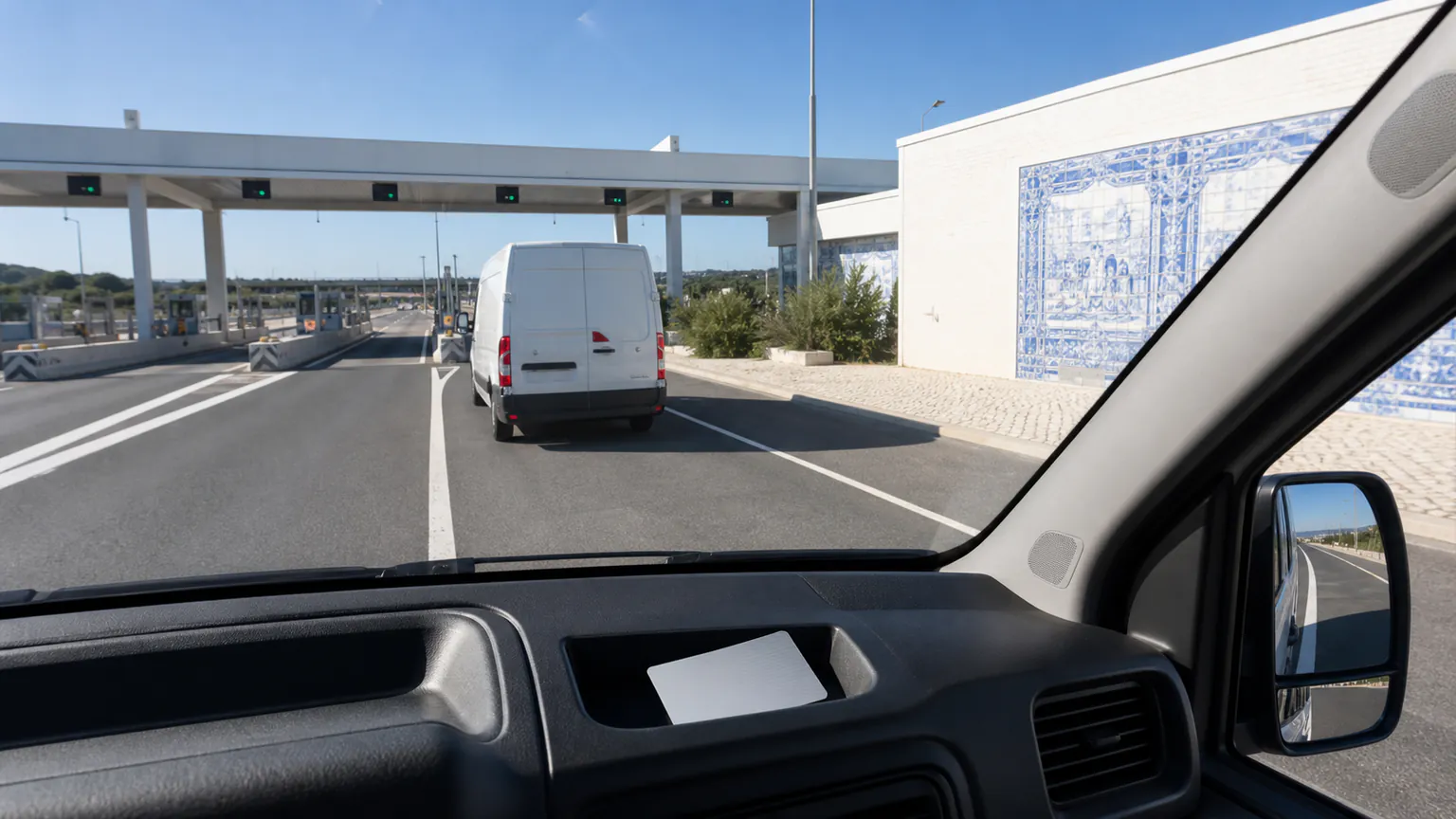
If your work is trucks on motorway corridors, toll and tax admin decide the winner, not the pump discount. Ask for acceptance density on the corridors you actually run, including truck-suitable sites with the right lane access and adequate opening hours. Ask how LKW-Maut is handled: whether the provider supplies a box, whether it works with Toll Collect as the national system, who owns the contract, and how toll charges appear on the invoice. Then check VAT/USt treatment, because a provider that consolidates foreign VAT and files reclaims removes real back-office work.
Best for: national and international transport fleets that need toll boxes, VAT recovery and a mature service-point network.
Watch out: pricing, deposits and service fees can be complex here. Check whether drivers pay pump price, list price or a contract rate on your routes, and what deposit or guarantee sits behind the account.
2. Vans and mixed regional fleets
Regional fleets rarely need a European network. They need stations close to depots, customer sites and the roads between them. Map a month of real refuelling locations before you look at any offer, then judge each provider on how many of those stops it covers without a detour. Driver identification matters more than it looks: PINs, vehicle or driver IDs and category limits stop a card from becoming a personal fuel allowance.
Best for: service, trades and delivery fleets running predictable regional routes with several drivers per vehicle.
Watch out: network-led offers look cheapest on paper because the discount is loud and the coverage gap is quiet. Price the detours.
3. Cross-border European operation
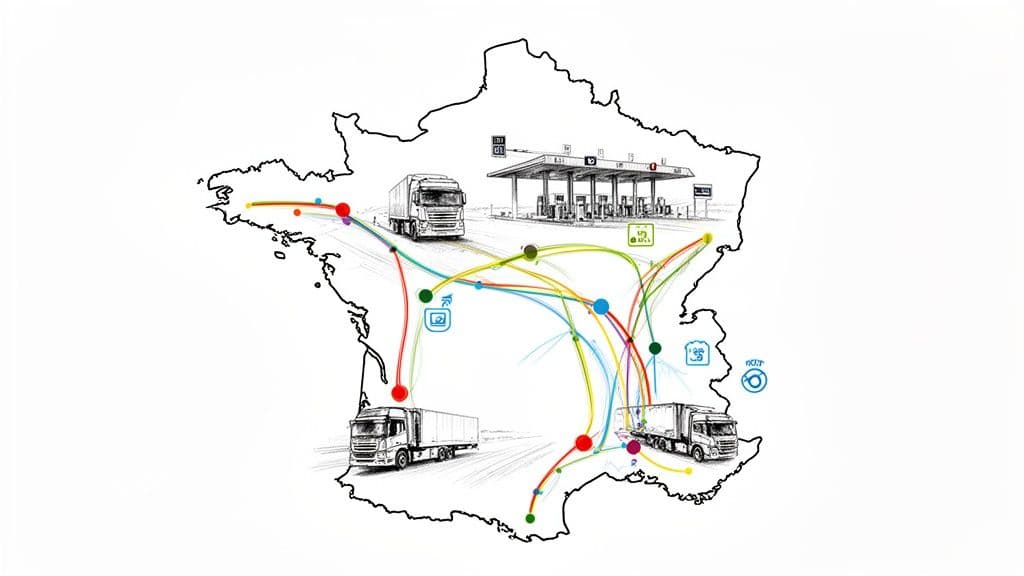
Crossing borders multiplies the number of rules you have to satisfy: different toll systems, different VAT rates and different invoicing requirements. Demand a clear list of the countries covered for both fuel and tolls, confirmation of which toll boxes are supplied and where they are valid, and a single consolidated invoice rather than one document per market. Ask specifically how foreign VAT is treated, and whether recovery is a service the provider performs or a job left with your finance team.
Best for: operators whose vehicles regularly leave Germany and who need one workflow for several countries.
Watch out: coverage claims are usually counted in service points, not in usefulness. Check the countries and roads you use, not the total.
4. Spend-card and expense-workflow driven teams
Some buyers do not want a fuel network at all. They want employee cards with limits, receipt capture and clean accounting data, where fuel is simply one spend category. If that is you, judge providers on control granularity, how receipts are captured, how quickly a card can be issued or frozen, and how transactions reach your ledger. Look for a direct path into your accounting workflow rather than a monthly CSV somebody has to retype.
Best for: start-ups, field teams and small businesses whose fuel purchases sit inside broader employee spend.
Watch out: a general spend card does not replace deep fuel-and-toll infrastructure. If tolls and truck stops matter, this profile is not yours.
5. EV-first and transitioning fleets
Electric and hybrid fleets fail on roaming coverage, not on hardware. Ask which charging networks are accessible, how public charging is priced, and whether charging sessions land on the same invoice as fuel and tolls. A mixed fleet that reconciles electricity in one system and diesel in another pays for that split every month in finance time.
Best for: fleets running EVs alongside petrol and diesel, or moving vehicles across in stages.
Watch out: charging coverage on a map is not coverage on your routes. Test the chargers your drivers would actually use.
6. Mixed fleets that want one card for everything
Rally gives German and European fleets a Visa-backed card that works for fuel, EV charging, tolls, parking and approved business spend. Drivers can submit receipts through WhatsApp with no app to install. Finance gets one dashboard, real-time controls, a VAT summary and accounting exports. Rally is prepaid, with no refundable deposit or personal credit check. Every plan includes the same core expense management platform: vehicle assignment, per-driver budgets and consolidated cost reporting sit on top of the same account.
Best for: service fleets, delivery teams and mixed petrol/diesel/EV fleets that want acceptance and admin automation more than a closed fuel network.
Watch out: if you run heavy HGVs that need dedicated truck toll boxes in several markets, a specialist toll provider may still be needed for that part of the route.
Website: Rally · Book a demo
Cheapest fuel card in Germany: the honest answer
The cheapest card is not always the card with the highest advertised discount. Calculate:
- monthly card fees;
- service fees or list-price markups;
- driver detours;
- paper-receipt admin;
- deposits or guarantees;
- EV charging and toll costs outside the card.
For a local route that sits entirely inside one network, a single-network card can be cheapest. For transport operations, a provider with toll and VAT services may reduce total back-office cost. For mixed fleets that need fuel, EV, tolls and expenses together, Rally can reduce cost by avoiding detours and reconciliation work.
Are fuel cards tax-deductible in Germany?
For business use, fuel and related vehicle costs are generally deductible if the company keeps clean records. The value of a company fuel card is the paper trail: the supplier receipt for every purchase, matched to the payment, with driver or vehicle references, transaction dates, fuel type and a VAT summary. That is easier to defend than loose pump receipts.
The exact treatment depends on vehicle use, private-use rules, company-car policy and the company's tax position, so finance teams should confirm the setup with a German tax advisor. Operationally, choose a provider that can export structured data as CSV, Excel or DATEV-format files rather than leaving finance to retype statements.
How to run a head-to-head between two providers
Once two providers are on the shortlist, do not decide from the brochure. Run the same test on both:
- Map real transactions. Take one month of fuel and charging stops and mark each against the accepted network. Count the detours, in kilometres and in driver time.
- Price one basket twice. Apply each fee model to the same volume: card fees, network or service fees, list-price markups, minimum spend and any discount conditions.
- Get toll answers in writing. Which countries are covered, which box is supplied, who holds the contract, and how toll lines appear on the invoice.
- Test the paperwork. Request a sample invoice and a sample data export, then hand both to whoever prepares your USt return and your accounts.
- Ask about money up front. Deposit, guarantee or credit check, how much is held, and what happens to it when you leave.
- Check driver controls. PINs, vehicle or driver identification, category and daily limits, and how quickly a lost card is blocked.
- Check EV roaming. Which charging networks work on your routes, and whether those sessions land on the same invoice as fuel.
Score both providers on the same sheet and keep it. It is the document that stops the decision being remade every renewal. For operators comparing toll obligations, refund routes and reconciliation, our German LKW-Maut guide for fleets explains the current rules and workflow.
The bottom line
Choose by fleet profile. Prioritise toll boxes and VAT recovery if heavy goods work dominates. Prioritise acceptance density near your depots if you run vans on regional routes. Prioritise multi-country coverage and foreign VAT handling if your vehicles cross borders. Prioritise limits, receipts and accounting export if fuel is one line inside employee spend. Prioritise roaming coverage and one invoice if the fleet is going electric. Choose Rally if you want one Visa-backed card for fuel, EV charging, tolls, parking and expenses across Germany and Europe, with receipts handled through WhatsApp. It is prepaid, with no refundable deposit or personal credit check.
For a side-by-side view of pricing models, deposits, network coverage and fees across all major providers, see our full fuel card comparison, or explore Rally's business fuel cards for Germany.