Electrifying a fleet brings clear upside: lower running costs, simpler maintenance and regulatory benefits. In practice, charging becomes the hardest part. Multiple networks, divergent billing, driver friction and missing data create costs that often outweigh the savings from the vehicle itself. Rally Charge is built to fix that. It makes charging cheaper, more reliable and easy to manage — and it plugs charging into the same platform you already use for fleet spend and operations.
The real problem: charging is a systems problem, not a payments problem
Fleets fail at charging for predictable reasons:
- Too many access methods. Drivers juggle apps, RFID cards and terminals. That wastes time and increases failed charges.
- Opaque billing. Roaming markups, variable tariffs and idle penalties mean the invoice rarely reflects the true cost per kWh or per km. Finance teams get surprised every month.
- Weak operational signals. Most tools report sessions only as invoices. They don’t show how long a vehicle was idle, how much energy it took to reach usable range, or how charging fits into routes.
- Policy enforcement gap. You can’t enforce where, when or at what power level a driver should charge without integration into dispatch and telematics.
- EU market complexity. Tariffs, VAT, roaming rules and CPO coverage vary by country. A single, local solution rarely scales across borders.
These gaps create hidden costs: overtime from failed charges, admin overhead reconciling invoices, wasted energy from poor charging behavior, and higher effective kWh prices because fleets are forced to accept poor routing or opaque roaming fees.
Why Rally Charge exists: fleet-first, not card-first
Most competing options treat charging as a payment problem. Rally Charge treats charging as an operational layer inside your fleet platform. That simple shift changes what a charging solution does:
- Designed for fleets: policies by vehicle, cost center and driver; approval flows and automated mapping to accounting codes.
- Multiple reliable access paths: terminal card payments, card-on-file via CPO apps, optional RFID at depots, and pragmatic fallbacks like remote session start over WhatsApp. That combination eliminates “can’t charge here” edge cases.
- Full transparency: every session shows kWh, power curve, cost components, idle time and the final chargeable amount. No more “black box” invoices.
- Platform-first integration: charging sits inside the Rally spend and operations stack so you get consolidated invoicing, real-time KPIs and direct links to telematics, payroll and ERP.
Put simply: Rally Charge makes charging predictable and actionable. It’s cheaper because you can measure, route and enforce — not just buy access.
How Rally Charge works in real fleets
Driver flows that reduce friction
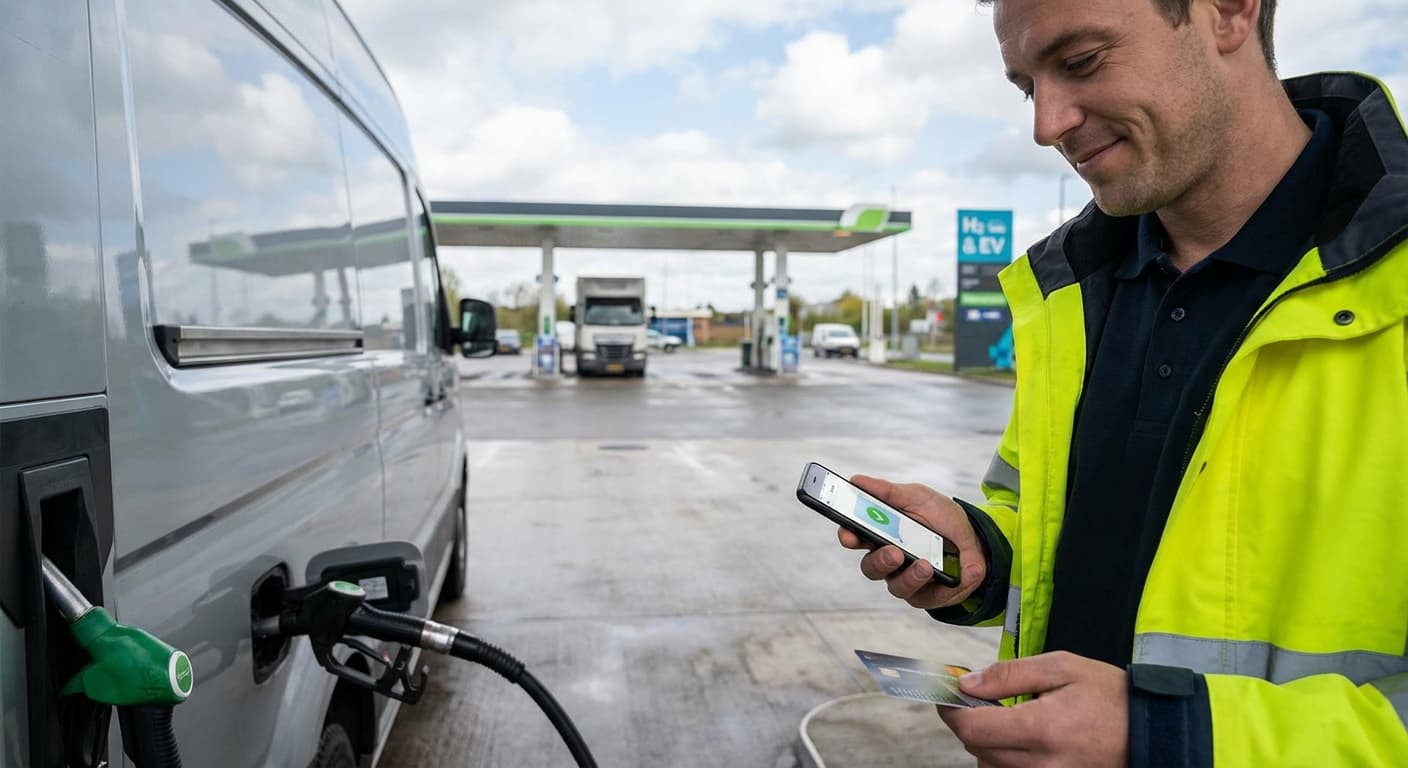
- One payment identity. Drivers use a Rally virtual card or Rally Visa for terminals that accept card payments. That avoids multiple physical cards.
- Card-on-file and app handoffs. Where terminals require operator apps, Rally uses secure card-on-file mechanisms to pay through the operator without forcing drivers to manage extra accounts.
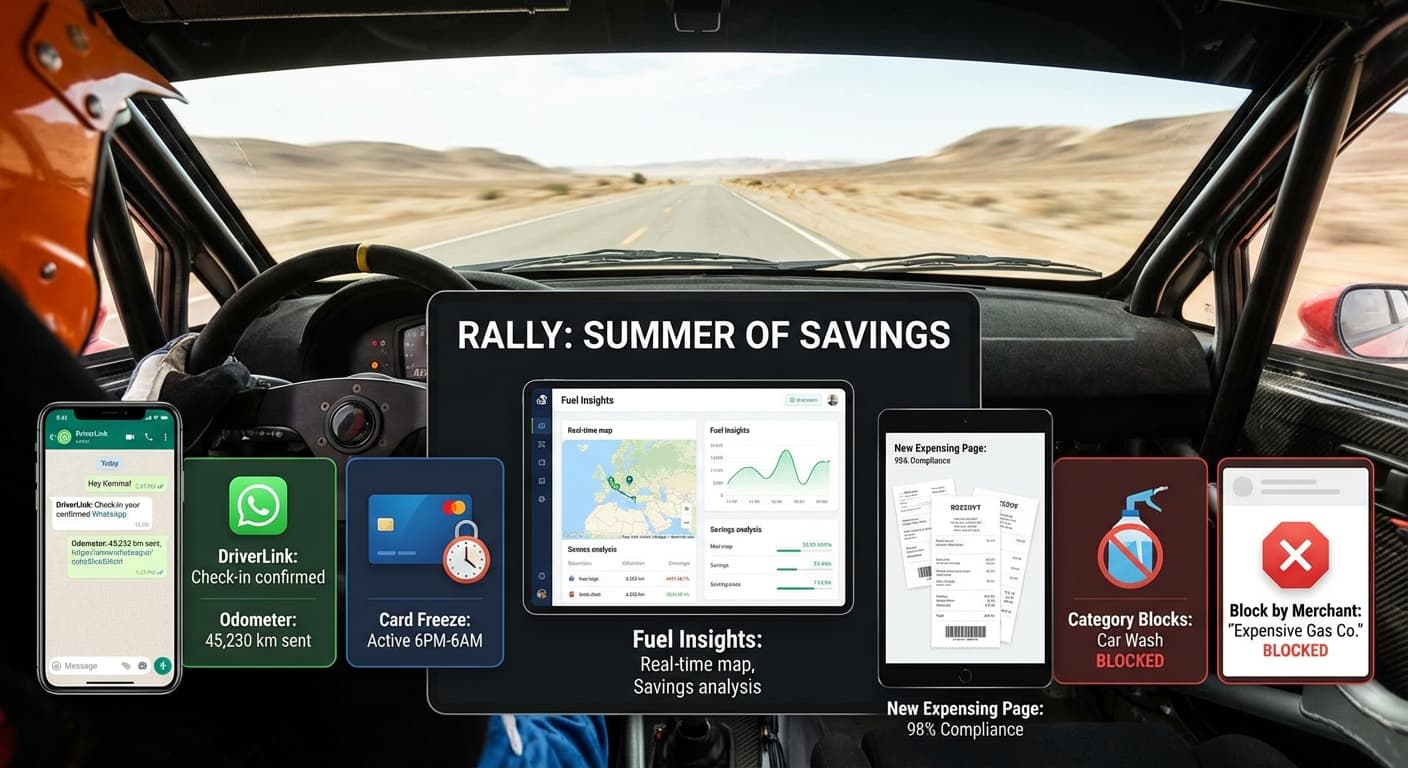
- WhatsApp remote start. For networks or situations where apps are poor or terminals don’t accept cards, drivers can start a session via WhatsApp. This lowers app fatigue and speeds adoption.
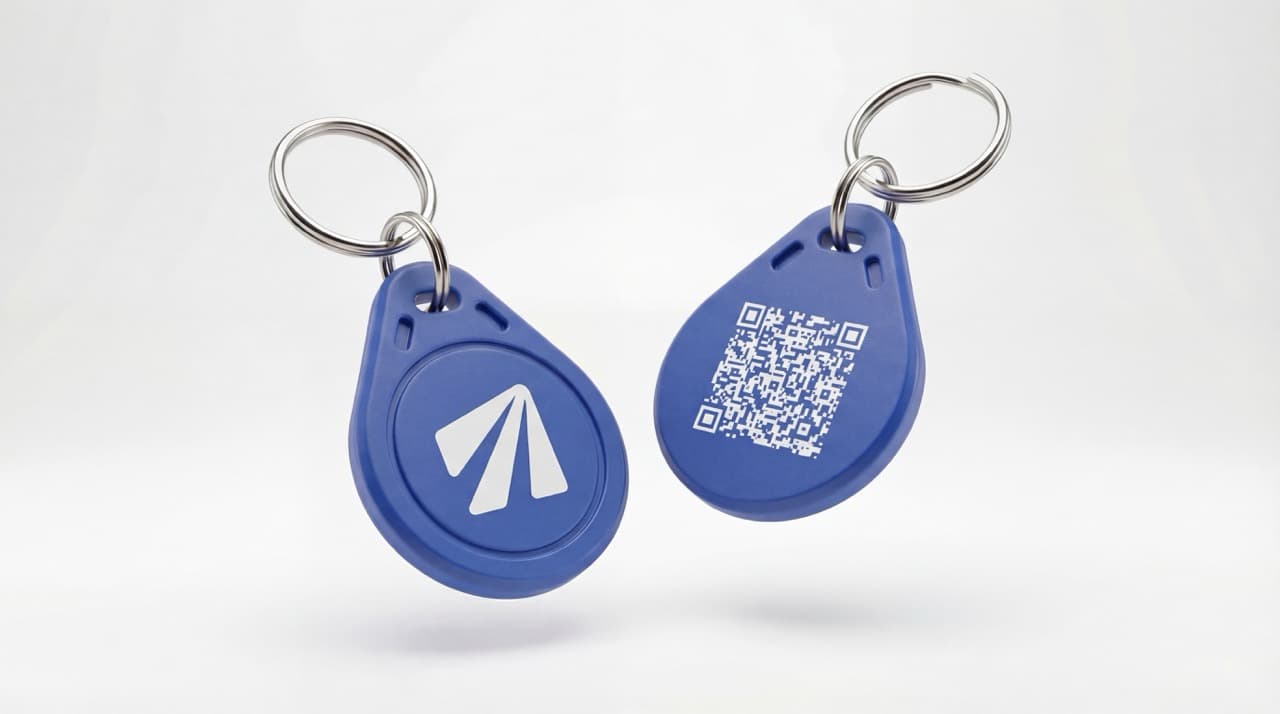
- RFID fallback at depots. For high-frequency charging, an RFID fob provides a robust, offline fallback.
All driver flows are checked against fleet policy before a session starts: allowed locations, cost center, power limits and approval rules.
Cost: why Rally Charge is cheaper than traditional fuel cards
Fuel cards give wide acceptance and simple billing. They don’t give control. Rally Charge reduces spend in three practical ways.
1. Transparent pricing and reduced roaming markups
Fuel cards and some network intermediaries layer roaming and commission fees into the invoice. Rally ingests CPO tariffs and shows the components. That transparency lets you route charging where it’s cheaper and avoid hidden markups.
2. Reduce idle and behavioral waste
Idle fees and overstay penalties add up. Rally measures time connected vs time actively charging and enforces policy (alerts, driver scoring, or automated penalties). Reducing idle time increases charger turnover and lowers fees.
3. Consolidated billing and lower admin cost
Rally consolidates charging, parking and incidental spend into a single ledger. That reduces AP work, speeds reconciliation and eliminates manual reimbursements that often follow failed charges. Fewer administrative headaches = lower indirect cost.
Integration: connected to finance and operations from day 1
Charging only pays off if it’s connected to the systems that run the fleet:
- Telematics: link odometer and state-of-charge data for accurate cost-per-km.
- Finance & AP: single invoices, accounting exports, VAT handling and cost-center tagging.
- Dispatch & policy: enforce approved sites and charging levels in routing and dispatch workflows.
- ERP/Payroll: automate reimbursements and VAT recovery.
When charging lives in the same platform as fuel, parking and driver spend, it goes from a nuisance line on the P&L to a managed category with real ROI.
Q: How Does Rally compares to fuel cards and other EV charging options?
Fuel cards (DKV, etc.) and national CPO networks (EnBW, Fastned, Ionity, Enel X, Endesa X) are important market players. They provide scale and access, but they rarely solve the operational and data problems fleets face.
- Fuel cards (e.g., DKV): strong in procurement and scale, weak in session telemetry and policy enforcement. They reduce transactional friction but not the hidden costs of charging.
- National CPOs (e.g., EnBW, Enel X, Endesa X): own infrastructure and offer coverage, but billing and APIs are CPO-centric. Good infrastructure doesn’t replace the need for fleet-level orchestration.
- Pure-play telematics or custom builds: can give visibility but require heavy engineering and ongoing maintenance.
Rally’s practical advantage is orchestration + platform integration. It gives the acceptance and commercial terms you need, plus the operational layer that converts access into savings. For route coverage across Europe, Rally integrates with the major players while providing the fleet controls that matter.
Final word: pick for cost and control, not just acceptance
If your decision boils down to “wide acceptance vs control,” choose the option that turns charging into a managed cost. Rally Charge gives fleets the acceptance of a fuel card with the control of a platform built for operations — cheaper charging, fewer surprises and better driver uptime. For procurement and finance teams in the EU and UK, that combination turns electrification from a compliance task into a cost-saving, operational advantage.