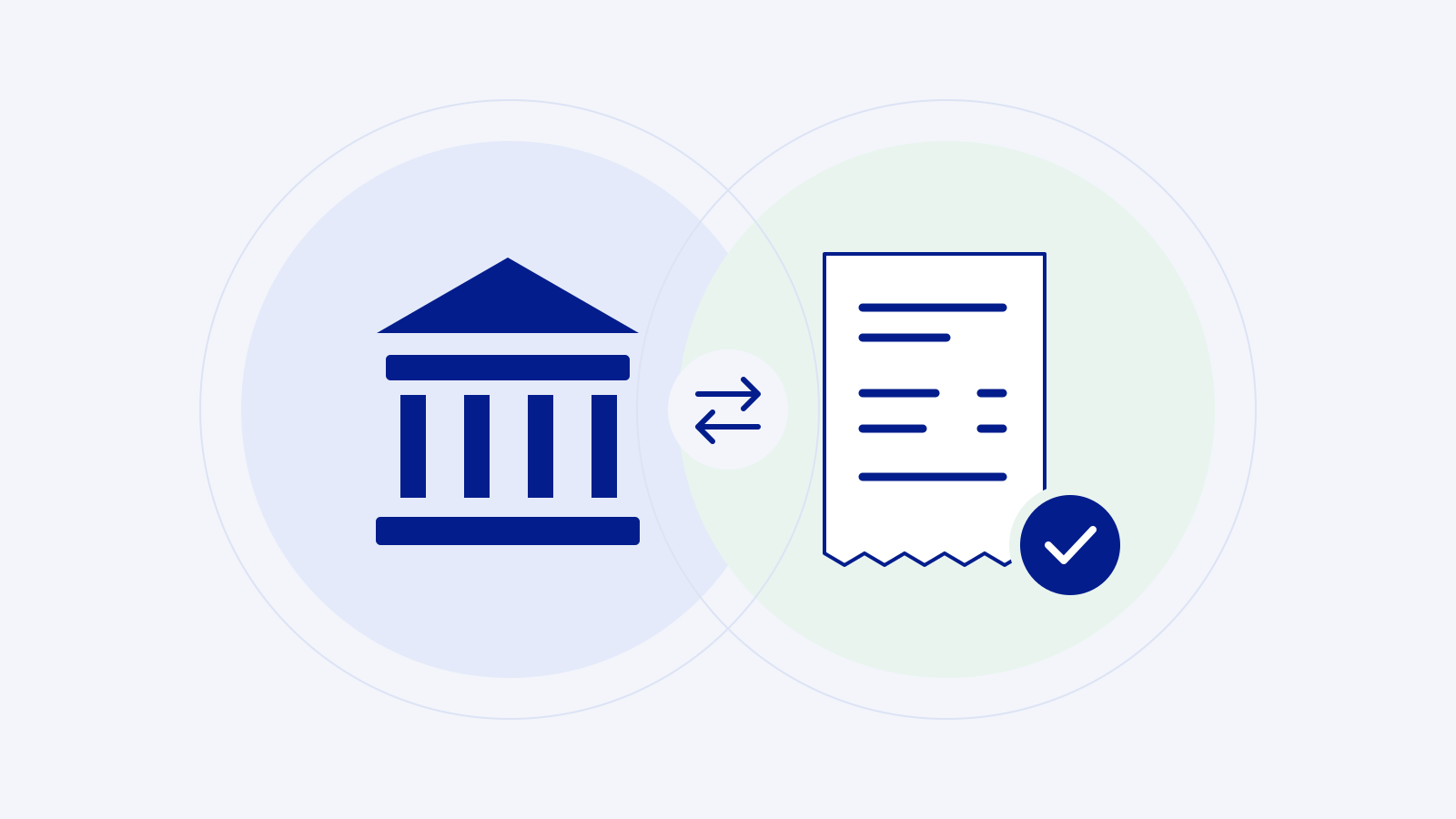
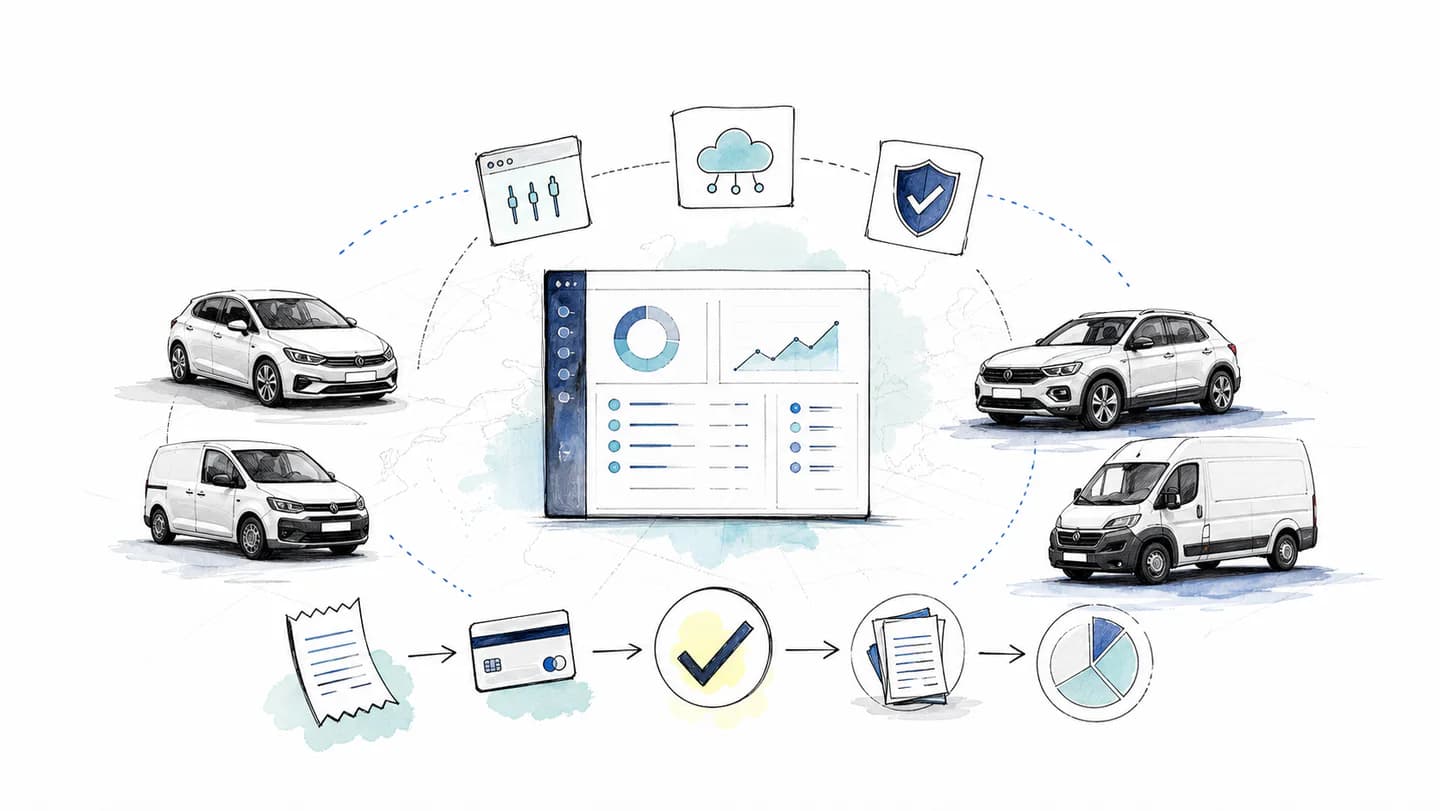
Your business banking and your expense process can work together. Banking holds and moves business money. The expense process connects a purchase with its owner, business purpose, receipt, review and accounting record.
Keeping an existing bank account does not by itself complete those expense tasks. Adding an expense platform needs a clear plan for the points where the two processes meet.
Map the journey of a purchase
Start with one recurring expense, such as supplies for a job or fuel for a business vehicle. Follow it from funding to accounting and write down who owns each step.
| Step | Question to settle |
|---|
| Funding | Where does the money come from, and who makes it available? |
| Payment | Which company payment method should the person use? |
| Evidence | Where should the receipt and business purpose be submitted? |
| Review | Who resolves missing information and makes the policy decision? |
| Accounting | Which system receives the reviewed record, and in what supported format? |
| Reconciliation | Who checks the funding movement, purchase and final balance? |
Keeping these responsibilities explicit helps a business owner work with an accountant and gives a larger team a common process.
Separate funding movements from purchases
When a business makes funds available to a prepaid card setup, that funding movement and a later purchase have different roles. Finance needs both records and should establish the correct accounting treatment. Avoid recording the same economic expense once when funding and again when the card is used.
A prepaid fuel card also needs an operational owner for the available balance. Agree who monitors it, how funding is arranged and what the employee does if a purchase cannot proceed. Prepaid describes how spending is funded; it does not mean a credit facility.
Confirm which transactions enter the expense workflow
Decide whether the initial scope covers Rally payments, employee-paid claims or other supported sources. Document any purchases that stay in a separate process so employees and finance know where to handle them.
Do not assume that retaining a bank account means every bank transaction can be imported, matched or controlled from another platform. Those are specific capabilities to confirm. For Rally, verify the supported funding arrangement, payment scope and accounting output for your business before rollout.
Add the evidence where the work happens
Employees need a practical way to provide receipts and the context a payment record cannot explain. Rally's WhatsApp agent helps with those expense tasks where employees can send the document and relevant details. AutoMatch connects receipts with transactions, while the platform agent helps the team work through expense tasks inside Rally.
Use a named reviewer for incomplete evidence, unclear matches and company-policy decisions. Define the process in an expense policy, and use an expense report where the business still needs a report-based handoff.
Test the handoff to your accountant
Before expanding, follow a purchase all the way through the supported export or integration. Check the entity, amount, currency, evidence reference and mapping to the chart of accounts. Agree how corrections, refunds and duplicate records will be handled.
For a foreign-currency purchase, keep the supplier's original amount and the amount charged to the business. Fees and conversion differences should remain understandable in the record. The cross-border expense guide covers this in more detail.
Begin with a manageable scope
A self-employed person might start with one vehicle and a small set of business purchases. A larger company might begin with one team or legal entity. Choose a scope that includes normal spending and the exceptions you need to understand.
Confirm that the people involved can fund, pay, submit evidence, review and account for the purchases. Then expand the process using what the first group learned.
Explore Rally expense management, see fuel cards for the self-employed, or learn how AI agents support the expense workflow.